

Kovových is a Czech/Slovak word form related to metal, metallic materials, and things made of metal. Many people search for kovových meaning because they see this word in a sentence, product description, technical document, business page, or translation result and do not know what it means in English. At first glance, it may look like a brand name, a place, or a special industrial term, but it is actually a grammatical form of the Czech and Slovak adjective kovový, which means metal or metallic.
The meaning of kovových depends on the words around it. In many cases, it translates as of metal, metal, metallic, or made of metal. For example, kovových konstrukcí means of metal structures, while kovových výrobků means of metal products. This is why a direct one-word translation is not always enough. To understand kovových translation correctly, you need to look at the full phrase.
This guide explains co znamená kovových, how it is used in Czech and Slovak, why it appears in metal manufacturing, construction, metal products, metal materials, and how to translate it naturally into English.
Kovových at a Glance
The word kovových is best understood as part of a larger phrase. It comes from kovový, which means metallic or made of metal. In English, we usually do not translate kovových alone. Instead, we translate the whole phrase around it.
| Item | Simple Explanation |
| Word | kovových |
| Base form | kovový |
| Language | Czech / Slovak |
| General meaning | of metal, metal, metallic, made of metal |
| Without diacritics | kovovych |
| Common phrase | výroba kovových konstrukcí |
| English meaning | manufacture of metal structures |
If someone searches kovovych meaning, they are usually typing the same word without Czech accents. This happens often when English-speaking users cannot type ý or when they copy the word from a source that removes diacritics.
The key point is simple: kovových v češtině is not usually a standalone noun. It is an adjective form used with plural nouns, especially in phrases connected with kovové výrobky, kovové konstrukce, kovové díly, and metal materials.
What Does Kovových Mean in English?
The most natural English translations of kovových are of metal, metal, metallic, or made from metal. The correct choice depends on the sentence.
For example, when you see výroba kovových konstrukcí, the best English translation is manufacture of metal structures. In this phrase, kovových describes the type of structures. They are structures made of metal. If you see výroba kovových výrobků, it means manufacture of metal products. If the phrase is kovových materiálů, it means metal materials or metallic materials.
A helpful rule is: “Translate the phrase, not just the single word.” This is especially important with Czech and Slovak because adjectives change form depending on grammar. The word kovových may look different from kovový or kovové, but the core meaning remains connected to metal.
Here are a few common examples:
| Czech Phrase | English Meaning |
| kovových konstrukcí | of metal structures |
| kovových výrobků | of metal products |
| kovových materiálů | metal materials |
| kovových dílů | metal parts or metal components |
| kovových obalů | metal packaging |
| kovových součástek | metal components |
So, when people ask co znamená kovových v angličtině, the best answer is: it usually means of metal, but the final translation depends on the noun it describes.
Kovový vs Kovové vs Kovových: Simple Grammar Explanation
To understand kovových grammar, it helps to compare it with similar forms. The base word is kovový. This adjective means metal, metallic, or made of metal. Like many Czech adjectives, it changes form depending on gender, number, and case.
| Czech Form | Simple Meaning | Example |
| kovový | metal / metallic | kovový rám |
| kovové | metal / metallic | kovové dveře |
| kovových | of metal / metallic | výroba kovových výrobků |
The phrase kovových jako tvar slova kovový means that kovových is a form of the base adjective kovový. It is often used in plural grammatical cases. For example, in výroba kovových konstrukcí, the word kovových works with konstrukcí, meaning structures. Together, they mean of metal structures.
This is also why machine translation can sometimes feel awkward. If a tool translates kovových without context, it may return metallic, metal, or of metal, but it may not show the best wording for the full sentence. A human-friendly translation should always check what comes after the word.
For readers who are not learning Czech grammar deeply, the simplest way to remember it is this: kovový is the basic idea, kovové is another common form, and kovových often means of metal things in a larger phrase.
Common Phrases That Use Kovových
The word kovových appears naturally in business, construction, manufacturing, recycling, and product descriptions. It is especially common in Czech phrases related to kovovýroba, which means metal production or metal fabrication.
One of the strongest examples is výroba kovových konstrukcí, meaning manufacture of metal structures. This phrase is often used in industrial and business contexts. Another common phrase is výroba kovodělných výrobků, meaning manufacture of metalworking products. Both phrases connect the word kovových with practical work involving metal products, metal structures, and metal components.
You may also see phrases like kovových materiálů, kovových dílů, kovových obalů, kovových dveří, and kovových rámů. These can appear in product catalogs, technical manuals, construction descriptions, and manufacturing service pages.
For example, a Czech company might describe services such as výroba kovových dílů for industrial machines, kovové rámy for windows and doors, or kovové kontejnery for storage and transport. In each case, the word points back to the same idea: something is connected with metal, metallic materials, or made of metal.
This makes kovových usage broader than simple dictionary meaning. It is both a language term and an industrial word form used across many real-world fields.
Why Kovových Appears in Metal Manufacturing and Construction
The keyword kovových often appears in Czech business and manufacturing content because metal products are important in many industries. In construction, companies use kovové konstrukce for frames, staircases, railings, gates, doors, windows, and industrial structures. In factories, metal parts are used in machines, containers, tanks, pressure systems, tools, and equipment.
Czech business pages often use phrases such as výroba kovových konstrukcí and výroba kovodělných výrobků when describing the scope of a trade or service. One official-style context connected with this phrase is BusinessInfo.cz, which provides business information linked with organizations such as CzechTrade and the Ministerstvo průmyslu a obchodu, also known as MPO. A page dated 30.04.2018 discusses the content scope of volná živnost related to manufacturing metal structures and metalworking products.
For SEO and reader value, this context matters because it shows that kovových is not just a dictionary word. It appears in real business language, including phrases connected with živnostenské oprávnění, obsahová náplň volné živnosti, strojírenská výroba, and stavebnictví.
In simple terms, if a person sees kovových in a Czech document, there is a good chance the text is talking about metal structures, metal products, metal parts, or a business activity involving metal fabrication.
Metal Structures and Metal Products Connected With Kovových
The word kovových is strongly connected with metal structures and metal products. In construction, this can include kovové dveře, kovová okna, kovové rámy, okenice, rolety, and vrata. These are everyday building elements made fully or partly from metal. Larger examples include steel structures, structural steel, prefabricated metal building parts, and industrial frameworks.
In industrial settings, kovových may appear around heavier products such as tlakové nádoby, kovové nádrže, zásobníky, and kovové kontejnery. These can include containers for stlačený plyn or tekutý plyn, as well as equipment connected with heating and steam systems, such as kotle ústředního topení, generátory vodní páry, kondenzátory, přehřívače, parní kolektory, akumulátory, and reaktory.
The term also applies to smaller manufactured goods. Nožířské zboží includes items like knives, scissors, razors, and blades. Ruční nástroje include kleště, šroubováky, pily, kladiva, and kovadliny. In hardware, the related product group can include hřebíky, nýty, podložky, svorníky, šrouby s maticí, matice, pružiny, and řetězy.
Another important group is výrobky z drátu, such as kovové kabely, kovové pásky, ostnatý drát, drátěné pletivo, rošty, and síťovina. These examples show why a full article about kovových meaning should not stop at translation. The word connects to a wide range of metalworking, metal fabrication, and metal product categories.
Household, Office, Sanitary, Security, and Furniture Uses
Although kovových often appears in industrial contexts, it can also describe everyday products. Many household items are kovové zboží pro domácnost, meaning metal goods for the home. These may include pánve, pekáče, stolní kovové náčiní, kuchyňské kovové strojky, and small metal accessories.
In bathrooms and utility spaces, the phrase can connect with kovové sanitární výrobky such as vany, výlevky, and dřezy. In offices, it can describe kovové kancelářské zboží, small fixtures, storage items, and practical accessories. In interior design, it may appear around dekorační předměty z kovu, meaning decorative objects made of metal.
Security products also belong in this wider topic. Trezory, bezpečnostní skříně, and pancéřové dveře are examples of products where metal is used for strength and protection. Other practical items include kovové žebříky, kovové schody, kovové klece, kovové košíky, and nákupní vozíky.
The phrase výroba kovového nábytku means manufacture of metal furniture. This can include chairs, tables, shelving, cabinets, and other furniture where metal provides strength, durability, or a modern look. These examples help readers understand that kovových is not limited to factories. It can appear in product descriptions for items people use every day.
Metal Materials Behind Kovových Products
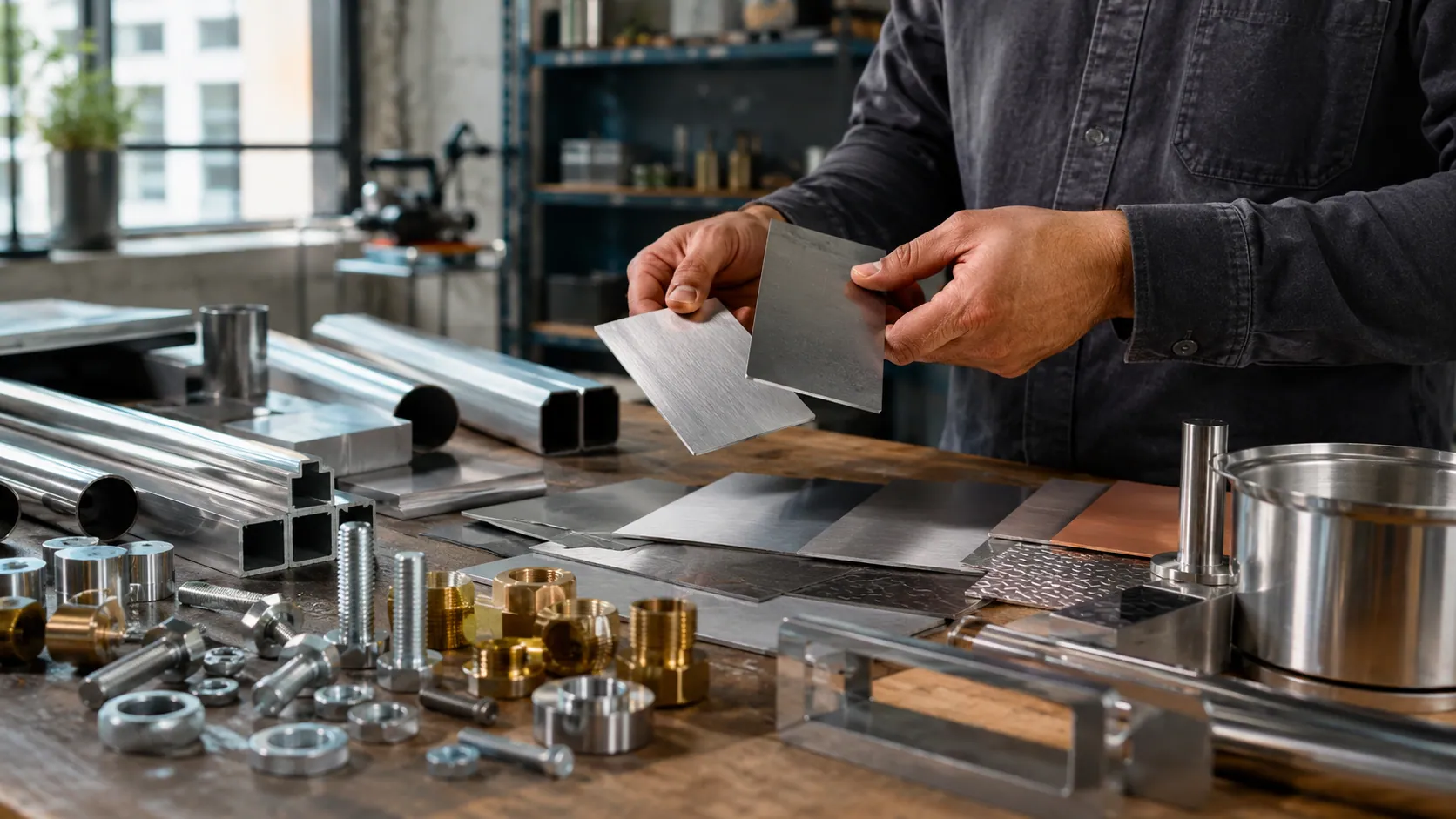
Behind kovových výrobků and kovových konstrukcí are different types of metal materials. The most common include steel, stainless steel, aluminum, copper, brass, bronze, titanium, and many types of alloys. Each material has different properties, so the right choice depends on the purpose of the product.
Steel is widely used for strength and structural support. Stainless steel is valued for corrosion resistance, which makes it useful in kitchens, bathrooms, medical environments, and outdoor products. Aluminum is lighter than steel and is common in frames, panels, transport parts, and modern design. Copper is known for conductivity, while brass and bronze are often used in fittings, decorative parts, and components where appearance and durability matter.
A technical text may also mention ferrous metals and non-ferrous metals. Ferrous metals contain iron, while non-ferrous metals do not. Product descriptions can include sheet metal, metal profiles, metal pipes, and metal tubes, depending on the shape and use of the material.
The main qualities connected with kovových materiálů include strength, durability, conductivity, recyclability, and resistance to rust or weather damage. These qualities explain why metal is used in everything from buildings to kitchen tools.
Manufacturing Processes Connected With Kovových Products
When people search around kovových, they may also be researching how metal products are made. This is where terms like custom metal fabrication, welding services, CNC machining, laser cutting, plasma cutting, metal bending, metal drilling, metal grinding, and metal assembly become useful.
In a simple manufacturing process, a company may begin with sheet metal, tubes, profiles, or solid metal parts. The material may be cut, shaped, drilled, welded, and assembled into a final product. After that, the surface may be finished to improve appearance, durability, or protection.
Common finishing methods include metal surface treatment, galvanizing, powder coating, anti-corrosion coating, and rust protection. These processes are especially important for outdoor products like gates, fences, railings, stairs, balconies, and frames.
This section is important because many competitor pages only list product categories. A more helpful article should explain the process behind those categories. When readers understand how kovové výrobky are made, they better understand why the word kovových appears in service descriptions, quotes, catalogs, and technical documents.
Recycling and Sustainability: Kovových Obalů and Metal Waste
Another useful phrase is kovových obalů, which means metal packaging. This can include plechovky, cans, tins, metal tubes, closures, lids, and other small metal containers. In Czech, drobné kovové obaly refers to small metal packaging items that people may use at home or in everyday shopping.
Metal is important in sustainability because many metals are recyclable. Aluminum cans, steel cans, and certain forms of scrap metal can often be collected and reused through recycling systems. This supports the idea of recyclable metal materials and a wider circular economy metals approach, where valuable materials are not wasted after one use.
However, metal waste sorting rules can vary by country, city, or municipality. Some areas may collect small metal packaging in special containers, while others may use different systems for household metal packaging and industrial scrap metal. Because of that, readers should always check local rules before throwing away metal items.
Adding this recycling angle strengthens an article about kovových meaning because it covers a search area that many basic translation pages miss. It connects the word not only to manufacturing but also to metal recycling, metal waste sorting, and sustainable metal production.
What Kovových Does Not Mean
The word kovových can confuse readers because it looks unfamiliar outside Czech and Slovak. It is important to explain what it does not usually mean.
Kovových is not normally a brand name. It is not usually a place, city, company, or person. It is also not an English word. If someone asks is kovových a brand or is kovových a place, the answer is generally no. It is a word form from Czech or Slovak connected with metal.
The reason it appears in documents is simple: it is part of common phrases. You may see it in technical manuals, construction documents, product descriptions, business licenses, or manufacturing pages. In those cases, it usually describes products, materials, structures, or parts made of metal.
A common mistake is translating kovových alone without checking the noun after it. This can create unnatural English. For example, výroba kovových konstrukcí should not be translated word-by-word in a stiff way. A natural translation is manufacture of metal structures.
How to Translate Kovových Correctly
To translate kovových correctly, first look at the complete phrase. Then identify the noun that follows it. After that, choose the English wording that sounds natural.
For example, kovových konstrukcí becomes metal structures or of metal structures depending on the sentence. Kovových výrobků becomes metal products. Kovových materiálů becomes metal materials or metallic materials. Kovových součástek becomes metal components.
| Czech Phrase | Natural English Translation |
| výroba kovových konstrukcí | manufacture of metal structures |
| výroba kovových výrobků | manufacture of metal products |
| kovových materiálů | metal materials / metallic materials |
| kovových obalů | metal packaging |
| kovových součástek | metal components |
This method is useful for translators, students, buyers, engineers, and anyone reading Czech product content. The safest approach is to treat kovových as a descriptive word. It tells you that the item, material, product, or structure is connected with metal.
FAQ About Kovových
What does kovových mean?
Kovových usually means of metal, metal, metallic, or made of metal. It is a Czech/Slovak adjective form from the base word kovový. The best translation depends on the full phrase.
What is the base form of kovových?
The base form is kovový, which means metal or metallic. The form kovových appears because Czech and Slovak adjectives change according to grammar.
Is kovových Czech or Slovak?
Yes, kovových can be understood in Czech and Slovak. It is related to the adjective kovový, meaning metallic or made of metal.
What does kovových konstrukcí mean?
Kovových konstrukcí means of metal structures. In a phrase like výroba kovových konstrukcí, the natural English translation is manufacture of metal structures.
What does kovových výrobků mean?
Kovových výrobků means of metal products. It is often used in business, manufacturing, and product-category contexts.
What is kovovych meaning without accents?
Kovovych is the same as kovových, but written without Czech diacritics. Users often type it this way when they cannot enter the character ý.
Why do I see kovových in technical documents?
You may see kovových in technical documents because it is commonly used with phrases about metal parts, metal structures, metal materials, metal containers, and metal products.
Is kovových a company name?
Usually, no. Kovových is not normally a company name. It is a Czech/Slovak word form related to metal.
Conclusion
Kovových is a Czech/Slovak word form from kovový, meaning metal, metallic, or made of metal. It is most often used inside longer phrases such as kovových konstrukcí, kovových výrobků, kovových materiálů, and kovových obalů.
The word appears often in contexts related to metal structures, metal products, metalworking, construction, manufacturing, metal materials, and recycling. To translate it correctly, always look at the full phrase instead of translating the word alone.
In simple terms, kovových meaning is connected to things of metal. Whether the topic is a steel frame, a metal container, a household item, a tool, a fastener, or recyclable metal packaging, the word helps describe something made from or related to metal.
Disclaimer: This article is for general informational purposes only. Meanings, translations, usage, and individual interpretations may vary depending on context, region, language, and personal needs.