

Introduction
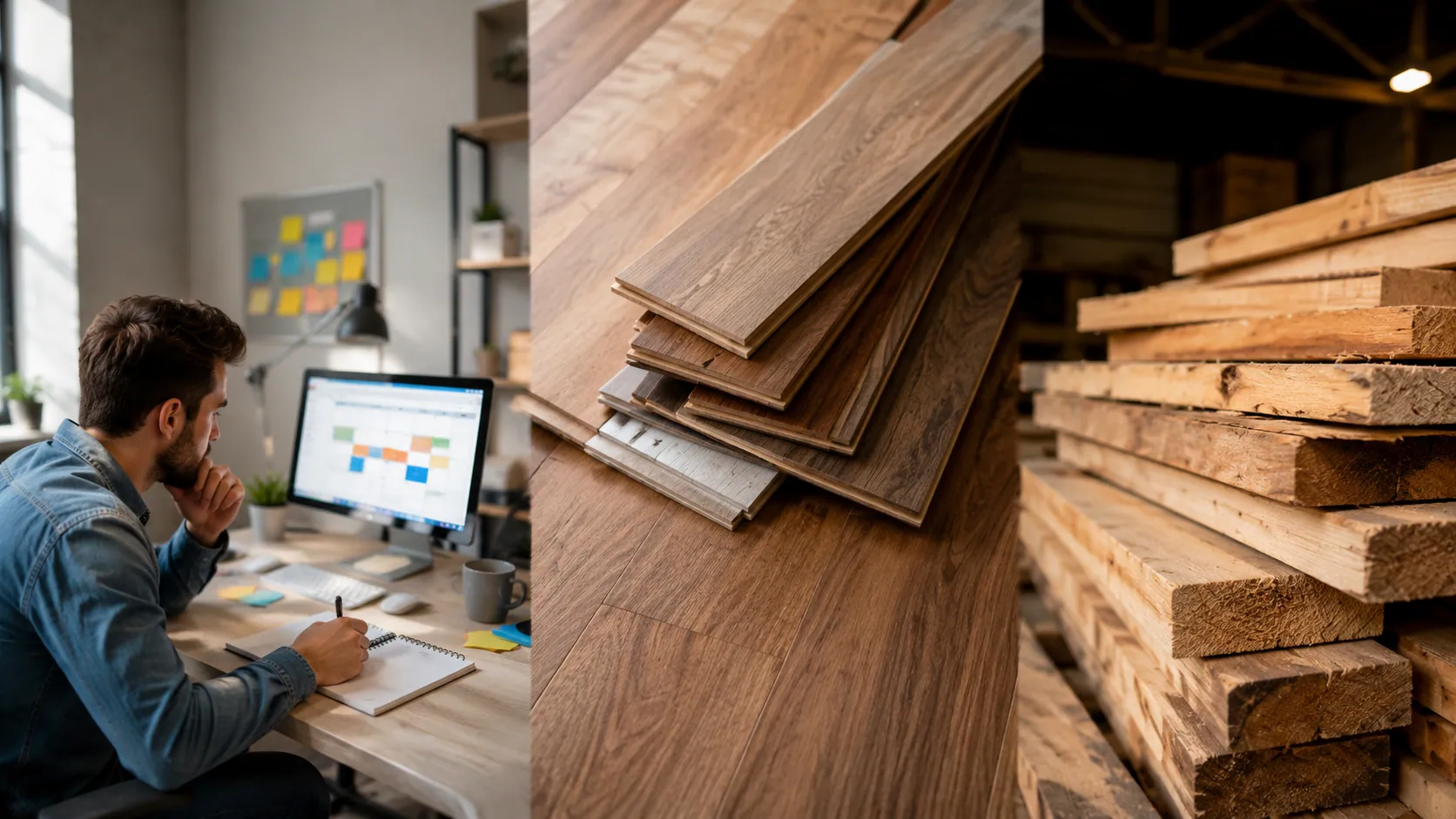
Planguda is an emerging search term that many people look up because its meaning is not immediately clear. Some users discover it while searching for a digital planning system, others connect it with workflow management, blogging, or content creation, and some results also link it with flooring, wooden planks, and timber boards. Because of this mixed search intent, the best way to understand Planguda is to look at the context in which the word appears.
In simple words, Planguda can be treated as a keyword variation of Plangud, a term often explained online as a concept related to planning, productivity, organization, project management, and practical design materials. It may not always refer to one fixed brand, app, or product. Instead, it works like a broad term that can mean different things depending on whether the topic is digital work, blogging, home improvement, or construction.
This guide explains what Planguda means, how it may be used, why people search for it, and how to decide which meaning applies to you.
What Is Planguda?
Planguda is best understood as a flexible and developing term connected with Plangud meaning, structured planning, and in some contexts wooden board or flooring material usage. When someone asks, “What is Plangud?” or “What is Planguda?”, they are usually trying to understand whether it is a tool, method, platform, product, or online trend.
In the digital sense, Planguda can describe a planning methodology that helps people organize tasks, manage deadlines, track goals, and improve personal or team productivity. This makes it relevant to people searching for a productivity system, task management method, or workflow management concept.
In the content and blogging space, Planguda can be linked with blog optimization, content management, SEO functionality, content calendars, and reader engagement. In this meaning, it acts like a framework for planning, publishing, and improving digital content.
In the physical-material sense, Planguda may also be connected with wooden planks, timber boards, engineered flooring, and interior design material. This interpretation appears when the topic involves floors, walls, ceilings, furniture, carpentry, construction, or home improvement.
So, the safest definition is this: Planguda is an ambiguous term most commonly linked with planning, productivity, blogging workflows, and sometimes wooden boards or flooring materials.
Planguda vs Plangud: Is There a Difference?
The difference between Planguda and Plangud is mainly a matter of spelling, search variation, and context. Most competitor content targets Plangud, while Planguda appears to be a close variation, possible typo, or extended form that users may search when they are unsure of the correct spelling.
This matters for SEO because search engines often connect related spellings when the intent is similar. A user searching planguda meaning in simple words may want the same answer as someone searching plangud explained or what is plangud used for. That is why a strong article should cover both versions naturally.
However, it is important not to make false claims. Planguda is not always a verified software platform, not always a flooring brand, and not always a fixed product name. Its meaning depends on the page, industry, and user intent.
A helpful way to think about it is:
| Search Term | Likely Meaning |
| Planguda meaning | User wants a simple definition |
| Plangud planning system | User wants productivity or workflow information |
| Plangud blogging tool | User wants content or SEO workflow details |
| Plangud flooring | User wants flooring or wooden plank information |
| Planguda vs Plangud | User wants spelling and meaning clarification |
This spelling section is important because it solves one of the biggest user pain points: confusion.
Main Uses and Examples of Planguda
The main uses of Planguda fall into three broad categories: digital planning, content workflow, and physical materials.
In digital planning, Planguda may be used as a system for organizing daily tasks, weekly goals, deadlines, habits, and team responsibilities. A student might use a Planguda-style method to manage assignments. A freelancer might use it to track client projects. A small business could use it to organize operations, campaigns, and team tasks.
In blogging and SEO, Planguda can be used to describe a structured way of managing content creation, keyword analysis, search intent, topical authority, and publishing schedules. For example, a blogger may create a content calendar, plan internal links, schedule posts, and track engagement metrics using a Planguda-like workflow.
In flooring and construction, Planguda may refer to wood boards, building boards, timber boards, or wooden planks used in floors, walls, ceilings, and furniture. This meaning is more relevant to homeowners, contractors, designers, and people researching renovation materials.
A practical example would be a small online magazine using Planguda as a content workflow: writers create drafts, editors review them, SEO strategists add keywords, and the publishing team schedules posts. In another example, a homeowner searching Planguda may be looking for a durable flooring solution for kitchens, bathrooms, or living rooms.
The key is context. Planguda means planning in one search, blogging workflow in another, and wood or flooring material in another.
Planguda as a Digital Planning and Workflow Concept
As a digital planning system, Planguda is most useful when it helps people turn scattered tasks into a clear workflow. Many people struggle because their notes are in one place, deadlines are in another, and goals are forgotten after a few days. A Planguda-style approach brings everything into one organized structure.
This can include task management, task scheduling, goal tracking, habit tracking, daily planning, weekly planning, and progress tracking. It may also include modern productivity methods such as Kanban boards, time blocking, SMART goals, the Pomodoro Technique, the Eisenhower Matrix, and Getting Things Done.
For teams, Planguda can support project management and workflow automation. A team may use a dashboard to assign tasks, set deadlines, track KPIs, and review progress. This connects naturally with tools and frameworks such as Asana, Trello, Monday.com, Jira, Agile Methodology, Scrum, OKR, Gantt Charts, SWOT Analysis, and Key Performance Indicators.
A simple quote explains the value well:
“A good planning system does not make work complicated; it makes the next step easier to see.”
That is the main benefit of Planguda as a productivity concept. It gives structure. Instead of reacting to work all day, users can plan priorities, manage focus, and reduce confusion.
For freelancers, this could mean tracking client deadlines. For students, it could mean managing assignments and study sessions. For businesses, it could mean aligning teams around shared goals. For creators, it could mean planning content ahead instead of rushing at the last minute.
The strongest digital use of Planguda is not just storing tasks. It is creating a productivity workflow where planning, execution, review, and improvement work together.
Planguda for Blogging, SEO, and Content Planning
In the blogging and SEO world, Planguda can be understood as a content planning tool or blog workflow concept. Bloggers, editors, and website owners often need a system for managing article ideas, keywords, drafts, publishing dates, updates, and performance.
A Planguda-style content workflow may start with keyword clustering and SERP analysis. After that, the writer creates a content brief, adds related entities, studies search intent, and builds an outline. Then the article moves into writing, editing, internal linking, publishing, and content freshness updates.
This is where terms like SEO content strategy, semantic search optimization, long-tail keyword strategies, engagement metrics, and audience growth become important. A blog is not only about writing. It is about matching user questions with helpful answers.
For example, an article about Planguda should not only repeat the main keyword. It should also cover plangud meaning, plangud uses, plangud benefits, plangud workflow management, plangud wooden planks, and plangud alternatives. This creates better topical coverage.
Planguda can also be compared with platforms such as WordPress, Blogger, Notion, ClickUp, Todoist, Google Calendar, and Airtable. WordPress and Blogger help with publishing, while tools like Notion or ClickUp help with planning and collaboration.
For monetized blogs, Planguda-style planning can also support affiliate programs, ad networks, brand partnerships, and reader loyalty. When content is planned properly, a website can publish consistently, update old posts, and build authority around a topic.
In short, Planguda for blogging means organized content creation with SEO purpose.
Planguda as Flooring, Wooden Planks, or Construction Material
Another important meaning of Planguda is connected with flooring, wooden planks, timber boards, and construction material. This meaning is completely different from the digital planning angle, but it appears in the same SERP space, so it should be explained clearly.
In this context, Planguda may refer to flat boards or plank-style materials used in floors, walls, ceilings, furniture, carpentry, and interior design. These materials may be chosen for durability, appearance, texture, and practical use in homes or commercial spaces.
A homeowner might search for Planguda while looking for a modern flooring solution that is stylish, durable, and easy to maintain. A contractor might think of it as a board or panel material. A designer may connect it with wood grain texture, wall cladding, decorative wood panels, or interior timber design.
Common flooring-related features include water-resistant flooring, scratch-resistant flooring, low maintenance flooring, anti-slip features, click-and-lock systems, and low-VOC materials. Some people may compare Planguda-style flooring with laminate, vinyl, engineered hardwood, SPC flooring, WPC flooring, or LVT flooring.
Important technical factors include underlayment, wear layer, moisture barrier, subfloor preparation, plank thickness, board width, and flooring warranty. These details matter because flooring is not only about looks. It also needs to perform well under heavy foot traffic, muddy shoes, pet claws, spills, and everyday wear and tear.
For style, Planguda may be associated with classic oak tones, contemporary grey slates, hardwood look, or stone look finishes. For eco-conscious buyers, terms like sustainable timber, FSC-certified wood, recyclable flooring, and reclaimed wood may also matter.
So, when Planguda appears in a home improvement context, it should be understood as a possible wood, board, plank, or flooring-related term.
Benefits, Pros, and Cons of Planguda
The benefits of Planguda depend on which meaning you are using. As a planning concept, its biggest benefits are better organization, increased productivity, clearer priorities, and improved workflow management. It helps users move from scattered ideas to structured action.
For bloggers and content teams, Planguda can improve content calendars, editorial collaboration, SEO planning, and publishing consistency. It can help writers avoid random content creation and instead focus on search intent, internal linking, and topical authority.
For flooring or wooden board use, the benefits may include durability, easy installation, low maintenance, stylish design, and suitability for different spaces such as kitchens, bathrooms, hallways, offices, and shops.
| Use Case | Main Benefit | Possible Limitation |
| Digital planning | Better task control | Needs consistent use |
| Team workflow | Clear collaboration | May require setup time |
| Blogging and SEO | Stronger content planning | Needs keyword research |
| Flooring or wood boards | Durable and stylish surfaces | Quality depends on material specs |
The biggest pro of Planguda is flexibility. It can fit personal productivity, business workflows, blogging systems, and interior design discussions. The biggest con is ambiguity. Because the term has mixed meanings, users must check context before assuming what it refers to.
Planguda Alternatives and Comparisons
If you are looking at Planguda as a productivity tool, common alternatives include Notion, ClickUp, Trello, Asana, Todoist, Google Calendar, Microsoft Planner, Basecamp, and Monday.com. These tools help with tasks, dashboards, calendars, team collaboration, and project tracking.
If you are looking at Planguda as a blogging system, alternatives include WordPress, Blogger, editorial calendar plugins, SEO tools, and content workflow platforms. WordPress is strong for publishing and customization. Blogger is simpler for beginners. Notion and Airtable are useful for planning content before publishing.
If you are looking at Planguda as flooring, comparisons may include Quick-Step, Amtico, Karndean, laminate flooring, vinyl flooring, engineered hardwood, SPC flooring, WPC flooring, and luxury vinyl tile.
The right comparison depends on intent. You should compare Planguda with Notion or Trello only if you mean planning. You should compare it with Quick-Step or Karndean only if you mean flooring.
This is why context is the most important part of understanding Planguda meaning and uses explained.
Is Planguda Real, Safe, or Just a Trend?
Because Planguda is an ambiguous keyword, users should be careful before treating it as a verified brand, app, or product. It may be real in one context, a trend in another, and a spelling variation in another.
If Planguda is presented as software, check for an official website, clear features, pricing, privacy policy, user reviews, support details, and transparent company information. Be careful if a page makes big claims but does not explain who owns the tool or how it works.
If Planguda is presented as flooring or wooden material, check the product specifications. Look for material type, thickness, wear layer, installation method, warranty, moisture resistance, and safety standards. Do not buy flooring only because the word sounds modern or premium.
Common misconceptions include thinking that Planguda is always a productivity app, always a flooring product, or always a verified platform. In reality, Planguda is best understood by context.
A simple rule is this: if the page talks about tasks, goals, and workflows, the meaning is digital planning. If it talks about articles, SEO, and publishing, the meaning is blogging workflow. If it talks about floors, boards, walls, or furniture, the meaning is material or construction.
FAQs
What does Planguda mean?
Planguda is an emerging and ambiguous term connected with Plangud, digital planning, productivity systems, blogging workflows, and sometimes flooring or wooden board materials.
Is Planguda the same as Plangud?
In most SEO contexts, Planguda appears to be a close variation of Plangud. Many users search both terms to find the same type of meaning, definition, or explanation.
What is Plangud used for?
Plangud may be used for task management, workflow management, content planning, blog optimization, project management, or in another context, wooden planks and flooring materials.
Is Plangud a productivity tool?
It can be described as a productivity tool or planning system when the context is digital organization, task scheduling, goal tracking, or team collaboration.
Is Plangud a blogging tool?
In blogging contexts, Plangud can be understood as a system for managing content creation, SEO strategy, content calendars, publishing schedules, and reader engagement.
Is Plangud related to wooden planks?
Yes, in some contexts, Plangud is connected with wooden planks, timber boards, floors, walls, ceilings, and furniture.
Can Plangud be used for flooring?
When used in a construction or design context, Plangud may refer to flooring, engineered flooring, wood boards, or plank-style materials.
Is Plangud safe or legit?
It depends on the context. If it is software, check reviews, pricing, privacy policy, and official details. If it is flooring, check specifications, warranty, and installation guidance.
What are the best Plangud alternatives?
For planning, alternatives include Notion, Trello, Asana, ClickUp, Todoist, and Monday.com. For blogging, alternatives include WordPress and Blogger. For flooring, alternatives may include Quick-Step, Amtico, Karndean, laminate, vinyl, and engineered hardwood.
Conclusion
Planguda is best understood as a context-based term connected with Plangud meaning, planning, productivity, blogging, flooring, and wooden board usage. It does not always refer to one fixed tool or product, which is why users often feel confused when searching for it.
If you see Planguda in a digital context, think of structured planning, workflow management, and productivity systems. If you see it in a blogging context, think of content planning, SEO strategy, and publishing workflows. If you see it in a home improvement context, think of wooden planks, timber boards, engineered flooring, and interior design material.
Disclaimer:
This article is for general informational purposes only. The meaning, uses, benefits, and suitability of Planguda may vary depending on individual needs, preferences, context, and situations. Readers should use the information as a helpful guide and make their own informed decisions.