

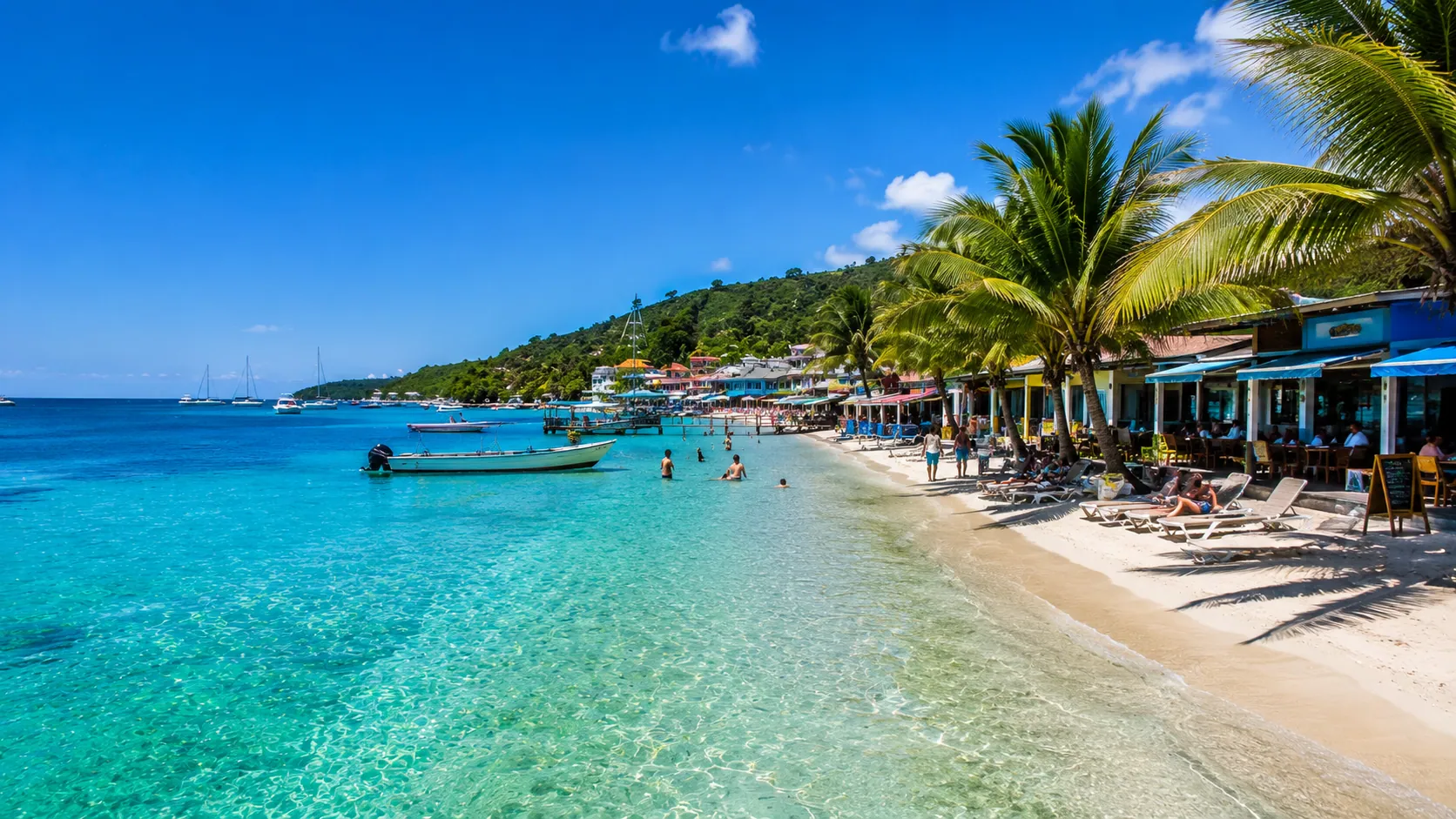
Is the island of Roatan safe for tourists in 2026? For most visitors, yes — Roatan is generally safe in popular tourist areas such as West Bay, West End, Sandy Bay, Mahogany Bay, and organized excursion zones. However, Roatan is still part of Honduras, a country with broader travel warnings, so visitors should use common-sense precautions around petty theft, night travel, isolated beaches, taxis, ATMs, and health risks like mosquitoes and dengue.
The safest way to understand Roatan safety is to separate the island from mainland Honduras. Official travel advice warns about crime in Honduras overall, but the U.S. State Department notes that resort areas in the Bay Islands, including Roatan, Utila, and Guanaja, have more concentrated resources and are better policed.
So, is Roatan safe? Yes, if you stay aware, choose the right areas, and travel smart.
Is Roatan Safe Right Now in 2026?
Roatan is considered relatively safe for tourists right now, especially in the main visitor areas where tourism is central to the local economy. Places like West Bay, West End, Sandy Bay, and cruise areas around Mahogany Bay and the Port of Roatan are used to receiving international visitors, families, divers, and cruise passengers.
That said, travelers should not ignore official guidance. Honduras remains under a Level 3: Reconsider Travel advisory from the U.S. Department of State because of crime, including violent crime in parts of the country. The important detail for Roatan travelers is that the same advisory specifically says the Bay Islands, which include Roatan, have a greater concentration of resources and are better policed around resort areas.
Canada’s travel advisory also says the Bay Islands are generally safe, while warning that petty crime can happen and that some assaults have occurred on beaches, mainly at night.
In simple terms, Roatan travel safety is best described as safe but not careless. Tourists should avoid poorly lit roads, isolated beaches after dark, and random transportation, while keeping valuables secure.
Roatan vs Mainland Honduras: Why the Safety Picture Is Different
Many people ask, “Is Roatan safer than mainland Honduras?” The answer is generally yes, especially for tourists staying in well-known areas. Roatan is part of Honduras, but it is geographically, socially, and economically different from many mainland cities.
Mainland Honduras includes larger urban areas where problems such as violent crime, gang activity, armed robbery, and kidnapping are more serious concerns. The U.S. advisory warns that violent crime remains common in Honduras, but it also separates the Bay Islands from the broader mainland picture by noting stronger policing around resort areas.
Australia’s travel advice also says the Bay Islands are generally safer than mainland Honduras, although petty crime is still common and tourists should remain cautious.
This distinction matters because many travelers see “Honduras travel warning” and assume Roatan is dangerous in the same way as the highest-risk mainland regions. That is not the best way to view the island. Roatan Honduras safety depends heavily on where you stay, how you move around, and whether you follow basic safety habits.
For most tourists, Roatan feels more like a Caribbean destination than a mainland city. The island’s economy depends heavily on visitors, cruise passengers, diving, resorts, restaurants, and beach tourism.
Safest Areas in Roatan for Tourists
The safest areas in Roatan are usually the places where tourists naturally spend the most time. These areas have more hotels, restaurants, dive shops, tour operators, taxis, and local businesses that depend on tourism.
| Area | Safety Profile | Best For |
| West Bay | One of the most tourist-friendly and resort-focused areas | Families, beach vacations, resorts |
| West End | Lively, walkable, popular with divers and restaurants | Nightlife, food, diving, solo travelers |
| Sandy Bay | Quieter and often good for longer stays | Divers, families, relaxed stays |
| Mahogany Bay / Port Areas | Organized cruise zones with structured excursions | Cruise passengers |
| Coxen Hole / French Harbour | Useful commercial areas, but more caution needed at night | Errands, transit, local services |
West Bay safety is one reason many first-time visitors choose this area. West Bay Beach has resorts, beach clubs, restaurants, and a steady flow of tourists. It is a strong choice for families and travelers who want convenience.
West End safety is also generally good, especially along the main strip where there are restaurants, bars, dive shops, and foot traffic. Still, visitors should be more careful late at night and use taxis rather than walking through quiet side streets.
Sandy Bay is quieter and popular with divers, repeat visitors, and long-stay travelers. It can feel peaceful, but because it is less busy than West Bay or West End, transportation planning matters more.
Coxen Hole and French Harbour are not automatically unsafe, but they are more commercial and less polished for tourists. They are places to use practical awareness, especially after dark.
Areas to Avoid or Be Careful in Roatan
Most visitors do not need to think of Roatan in terms of strict “danger zones,” but there are places and situations where extra caution is smart.
Be especially careful around isolated areas, remote beaches, poorly lit roads, and quiet side streets at night. Searchers often ask about areas to avoid in Roatan, and the best answer is less about one single neighborhood and more about avoiding risky conditions: being alone late at night, carrying too much cash, walking on dark roads, or taking unvetted transportation.
The Roatan Tourism Bureau says Roatan is a safe island but emphasizes that crime can be avoided by taking basic safety precautions. It also advises caution in areas such as Coxen Hole, Los Fuertes, and French Harbour after dark.
If you visit these areas during the day for shopping, transit, errands, or local food, use the same street-smart habits you would in any unfamiliar destination. Keep your phone secure, avoid showing flashy jewelry, do not carry large sums of cash, and return to your accommodation by trusted taxi if you are out late.
What Kind of Crime Happens in Roatan?
The most common tourist concerns in Roatan are usually petty theft, beach theft, home or rental break-ins, taxi overcharging, and occasional ATM or credit card issues. Most tourists are not targeted for violent crime, but that does not mean crime is impossible.
Canada’s advisory says the Bay Islands are generally safe, but it also notes that petty crime sometimes occurs, some foreigners have been assaulted on beaches mainly at night, and home burglaries have happened, including in rental accommodations.
This is why Roatan crime should be discussed honestly. The island is not a crime-free utopia, but it is also not the frightening picture many people imagine when they hear “Honduras.” For visitors, the biggest risks usually come from small mistakes: leaving a beach bag unattended, walking alone on an empty beach at night, using random drivers, drinking too much in unfamiliar nightlife areas, or leaving a rental home unsecured.
A good rule is to treat Roatan like any popular Caribbean island. Enjoy the beaches, restaurants, snorkeling, and friendly local culture, but keep your valuables, passport copy, credit cards, and cash protected.
Is Roatan Safe for Cruise Passengers?
Roatan is generally safe for cruise passengers, especially those who use reputable tour operators, official port transportation, or cruise-organized excursions. The island receives large numbers of cruise visitors, and tourism is a major part of the local economy.
Cruise passengers usually arrive at either Mahogany Bay or the Port of Roatan near Coxen Hole. These areas are set up for visitors, with excursions, taxis, shops, and guides. The Roatan Tourism Bureau says cruise visitors should venture beyond the immediate port area to experience the island and recommends booking with experienced local guides.
The biggest cruise safety question is: Is it safe to leave the cruise port in Roatan? In most cases, yes — but it is better to use a trusted excursion, a recommended guide, or clearly arranged transportation. Avoid random offers from people you have not researched, agree on prices before leaving, and leave enough time to return to the ship.
Safe cruise activities include West Bay Beach, snorkeling tours, island tours, wildlife parks, zip lining, and guided visits to local attractions. For a short port day, convenience and reliability matter as much as price.
Is Roatan Safe for Families, Solo Travelers, and Digital Nomads?
Roatan is safe for families when they stay in tourist-friendly areas, book reliable transportation, and choose accommodations with good security. Families often prefer West Bay because it has resorts, beach access, restaurants, and a more vacation-focused feel. Parents should also think about sun exposure, hydration, reef cuts, boat traffic, and food safety.
Roatan is also reasonably safe for solo travelers, including solo female travelers, but the usual rules apply. Stay in West Bay, West End, or reputable accommodations, avoid isolated walks after dark, use taxis at night, and let someone know if you are going on a tour, dive trip, or long outing.
For digital nomads and long-term visitors, Roatan can be comfortable, but rental security matters. If you stay in an Airbnb or vacation rental, check reviews, ask about locks and lighting, and avoid leaving electronics visible. Long-term stays can create a different risk profile than short resort trips because you may be carrying laptops, cameras, documents, and more cash.
Seniors and first-time international travelers should consider staying near services, restaurants, and transportation. West Bay and West End are often easier than remote areas for those who want convenience and peace of mind.
Transportation Safety in Roatan
Transportation safety in Roatan is one of the most important parts of staying safe. The island has taxis, water taxis, rental cars, scooters, tour vans, and airport transfers, but not all options are equal.
If you arrive at Juan Manuel Gálvez International Airport, the safest choice is usually a pre-booked transfer or a driver recommended by your hotel or rental host. For taxis, agree on the fare before getting in, especially if there is no meter. At night, taxis are better than walking between quiet areas.
The water taxi between West End and West Bay is popular and convenient during normal operating conditions. It can be a fun way to move along the coast, but travelers should pay attention to weather, daylight, and boat safety.
Scooters are common but not ideal for everyone. Roatan roads can be narrow, hilly, rainy, poorly lit, or uneven, with potholes, large trucks, and unpredictable driving. If you are not confident riding a scooter, choose taxis or a rental car instead.
Avoid driving unfamiliar roads late at night. Even when crime is not the issue, road safety, poor lighting, and limited visibility can create problems.
Beach, Snorkeling, and Diving Safety in Roatan
Roatan is famous for snorkeling, scuba diving, beaches, and coral reefs. For many travelers, the reef is the main reason to visit. In general, snorkeling in Roatan is safe when conditions are calm and visitors respect marked areas, boat traffic, and reef rules.
The biggest water-related risks are not usually crime-related. They include currents, boat lanes, coral cuts, dehydration, sunburn, and swimming too far from shore. If you snorkel from the beach, watch for boats and stay within visible swimming areas. A waterproof pouch can help protect your phone and cash, but do not leave valuables unattended on the beach.
For divers, Roatan has many dive shops and experienced operators. Choose a reputable shop, check equipment standards, and avoid diving when tired, dehydrated, or after drinking. Divers should also consider travel insurance or diving insurance that covers medical evacuation.
Beach safety also matters at night. Even beautiful beaches can become risky when they are empty and poorly lit. Enjoy the sunset, but avoid wandering isolated stretches alone after dark.
Health and Medical Safety in Roatan
A complete Roatan travel safety guide should include health, not just crime. Roatan is tropical, so visitors should think about mosquitoes, dengue, sun exposure, hydration, food safety, and medical access.
The CDC’s Honduras traveler health page includes current health guidance for travelers and notes vaccine and entry-related details, including yellow fever rules depending on travel route. Travelers should check health guidance before departure, especially if they are visiting multiple countries.
For everyday health precautions, bring bug repellent, use sunscreen, drink plenty of water, and avoid risky food or water choices. Many visitors prefer bottled water rather than tap water, especially for short stays. Ask your hotel or host what they recommend for drinking water.
Medical care exists on the island, including clinics and urgent care options such as UNIMED Urgent Care, Hospital Cemesa Roatan, and Clinica Esperanza, but serious emergencies may require transfer to the mainland or another country. That is why travel insurance is strongly recommended, especially for families, seniors, divers, and cruise passengers.
If you take prescription medicine, bring enough for your full trip and keep it in your carry-on.
Roatan Safety Checklist: Smart Tips Before You Go
A smart Roatan trip is not about being fearful. It is about making simple choices that reduce avoidable problems.
| Safety Tip | Why It Helps |
| Stay in West Bay, West End, Sandy Bay, or reputable resort areas | These areas are more tourist-focused |
| Use licensed taxis or hotel-recommended drivers | Reduces transportation problems |
| Avoid isolated beaches after dark | Beaches are riskier when empty |
| Keep valuables in a hotel safe | Prevents theft and rental break-ins |
| Do not leave beach bags unattended | Beach theft can happen |
| Use ATMs in secure places | Helps avoid theft and card issues |
| Agree on taxi fares first | Prevents overcharging disputes |
| Bring bug repellent | Helps reduce mosquito bites |
| Buy travel insurance | Important for health, diving, and emergencies |
| Keep passport and card copies | Helpful if documents are lost |
Also avoid carrying large sums of cash, wearing flashy jewelry, or leaving phones and cameras visible in a rental car. If you are going out at night, stay in busy, well-lit areas and take a taxi back.
The best safety advice is simple: enjoy Roatan, but do not behave in a way you would avoid at home.
Best Time to Visit Roatan Safely
The safest and easiest time to visit Roatan is often during the dry season, when roads are easier, boat trips are more predictable, and beach days are more comfortable. The rainy season can still be enjoyable, but heavy rain may affect roads, visibility, snorkeling conditions, and mosquito activity.
High season usually brings more tourists, more open businesses, and more activity in areas like West Bay and West End. That can make some travelers feel safer because streets and restaurants are busier. However, high season can also mean higher prices and more crowded excursions.
During wetter months, pay extra attention to mosquito safety, slippery roads, and boat conditions. During cruise-heavy periods, book excursions early and choose reputable operators.
No season removes the need for common sense. Whether you visit in January, July, or rainy season, the same basics apply: use trusted transportation, secure valuables, and avoid isolated areas at night.
Final Verdict: Is Roatan Worth Visiting?
So, is the island of Roatan safe and worth visiting? For most travelers, yes. Roatan is one of the most tourism-focused parts of Honduras and is generally safer for visitors than many mainland areas, especially in West Bay, West End, Sandy Bay, and organized cruise or resort zones.
The island is a strong choice for beach lovers, divers, families, cruise passengers, couples, and first-time Caribbean travelers who want reef access, warm water, local food, and a relaxed island atmosphere.
The key is balance. Do not ignore the broader Honduras travel advisory, but do not assume Roatan is the same as mainland crime hotspots. Stay in the right areas, use trusted taxis, avoid isolated places after dark, protect your valuables, prepare for mosquitoes and sun, and buy travel insurance.
With those habits, Roatan can be a safe, beautiful, and memorable travel destination.
FAQs About Roatan Safety
Is the island of Roatan safe for tourists?
Yes, Roatan is generally safe for tourists, especially in popular areas like West Bay, West End, Sandy Bay, and organized resort or cruise zones. Visitors should still use common-sense precautions, avoid isolated areas at night, and keep valuables secure.
Is Roatan safer than mainland Honduras?
Yes, Roatan is generally safer than mainland Honduras for tourists. Official travel advice warns about crime in Honduras overall, but the Bay Islands, including Roatan, Utila, and Guanaja, are commonly treated as safer and more tourism-focused areas.
Is West Bay or West End safer?
Both are popular tourist areas. West Bay is often better for families, resorts, and beach vacations, while West End is better for restaurants, nightlife, and diving. West Bay may feel calmer at night, while West End is more active but still requires awareness after dark.
Is Roatan safe at night?
Roatan can be safe at night in busy, well-lit tourist areas, but visitors should avoid isolated beaches, dark roads, and quiet side streets. Use a trusted taxi after dinner or nightlife instead of walking long distances alone.
Are taxis safe in Roatan?
Taxis in Roatan are usually safe when arranged through a hotel, resort, tour operator, or trusted local contact. Always agree on the fare before getting in, especially at the airport, cruise port, or late at night.
Can you drink tap water in Roatan?
Many travelers choose bottled water in Roatan, especially for short visits. Some accommodations may provide filtered water, but ask your hotel or host before drinking tap water. Staying hydrated is important because of heat, sun, and outdoor activities.
Is snorkeling safe in Roatan?
Yes, snorkeling in Roatan is generally safe, especially in calm water and marked swimming areas. Watch for boat traffic, avoid touching the coral reef, pay attention to currents, and do not leave valuables unattended on the beach.