

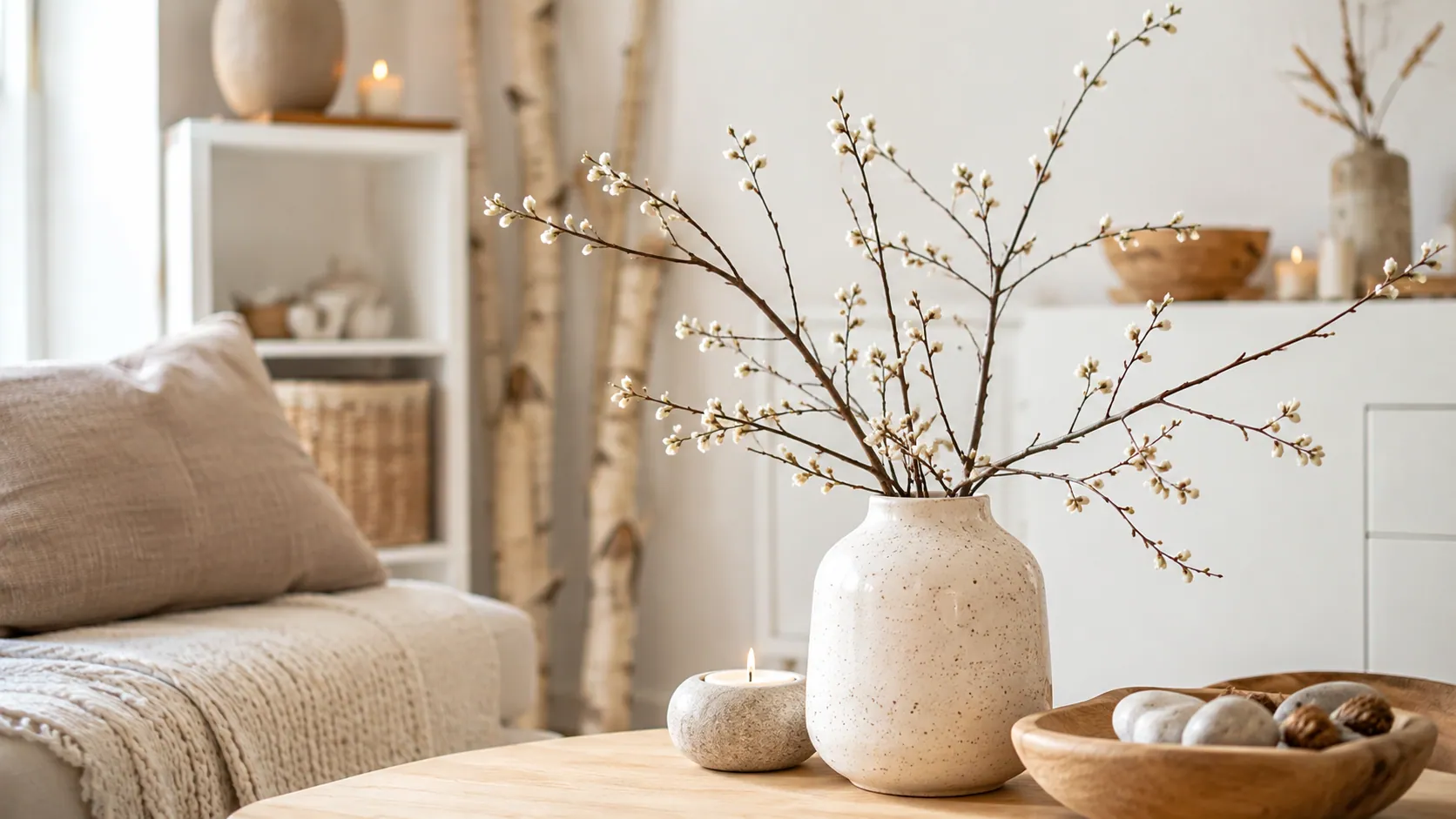
Pyntekvister are decorative branches, twigs, or ornamental stems used to bring natural texture, visual height, and Scandinavian charm into homes, events, offices, and seasonal displays. The term is often connected with Nordic décor, where simple materials like wood, branches, stone, linen, glass, greenery, and neutral colors are used to create calm, beautiful spaces without making the room feel crowded.
In modern interior design, people are moving away from overly artificial decoration and choosing pieces that feel organic, timeless, and low-maintenance. That is why pyntekvister have become so attractive. They can sit in a tall vase in a living room, decorate a dining table, brighten a hallway, style a wedding venue, or add warm light to a balcony through LED-lit decorative branches.
The best thing about pyntekvister is their flexibility. They can be natural branches, artificial branches, preserved stems, painted twigs, metallic branches, eucalyptus stems, birch branches, willow branches, or even Christmas LED branches. Whether your home is minimalist, rustic, Scandinavian, farmhouse, modern, or luxury-inspired, decorative twigs can add quiet beauty without needing water, sunlight, or daily care.
What Is Pyntekvister?
Pyntekvister means decorative twigs or decorative branches used for styling. In a home décor context, the word usually describes branches placed in a vase, arranged on a table, hung on a wall, decorated with ornaments, or used as part of seasonal displays.
A pyntekvister arrangement may be as simple as three dry branches in a ceramic vase or as detailed as a full event centerpiece with fairy lights, ribbons, flowers, eucalyptus stems, and ornaments. Some people use real branches collected from nature, while others prefer artificial pyntekvister because they last longer and require very little maintenance.
The concept fits perfectly into Scandinavian interior décor because it values simplicity, natural materials, negative space, and peaceful design. Instead of filling every corner with heavy decoration, pyntekvister create a light and balanced look. They add texture, height, and shape while keeping the room clean and uncluttered.
In simple words, pyntekvister are decorative branches used to make indoor and outdoor spaces look more natural, stylish, and inviting.
How to Pronounce Pyntekvister and What the Word Means
For English readers, pyntekvister may look unfamiliar at first. A simple pronunciation guide would be close to “pin-teh-kvis-ter.” The word can be understood in two parts. “Pynte” is connected with decorating or making something look beautiful, while “kvister” refers to twigs or small branches.
So, the natural English meaning of pyntekvister is decorative branches or ornamental twigs.
This is why you may also see related Scandinavian-style terms such as pyntegrener, dekorasjonskvister, kvister i vase, and pynte med kvister. These phrases all point toward the same basic idea: using branches, stems, or twigs as decoration.
Pyntekvister vs Pyntegrener vs Dekorasjonskvister
Although these words are similar, they can carry slightly different meanings depending on how they are used.
| Term | Simple Meaning | Common Use |
| Pyntekvister | Decorative twigs or branches | Vases, table décor, seasonal displays |
| Pyntegrener | Decorative branches | Larger branches or branch arrangements |
| Dekorasjonskvister | Decoration branches | Product descriptions and shop listings |
| Kvister i vase | Branches in a vase | Home styling and vase arrangements |
| Påskeris | Easter branches | Spring and Easter decoration |
For SEO and reader clarity, the article should use pyntekvister as the main keyword, while naturally including related terms like pyntegrener, dekorasjonskvister, and branches in a vase. This helps readers understand the topic while strengthening topical authority around Scandinavian decorative branches.
The Scandinavian and Nordic Design Connection
Pyntekvister fit beautifully into Scandinavian décor because Nordic design often focuses on simplicity, comfort, natural warmth, and functional beauty. Instead of using loud colors or heavy decoration, Scandinavian homes often rely on light tones, organic shapes, wood textures, soft fabrics, and nature-inspired accents.
Decorative branches work well in this style because they create interest without visual noise. A few birch branches in a tall glass vase can make a room feel calm. A small bundle of willow branches on a console table can add movement. Eucalyptus stems can soften a dining table. LED pyntekvister can bring warm ambience to a winter corner or balcony.
This approach is also connected with hygge-style décor, slow living, and mindful living. The goal is not to decorate more. The goal is to decorate better. Pyntekvister help a space feel natural, peaceful, and personal.
Types of Pyntekvister
There are many types of pyntekvister, and each one creates a different mood. Choosing the right type depends on your room, vase, season, budget, and maintenance preference.
Natural Branches
Natural branches are real twigs or stems collected from gardens, forests, florists, or seasonal markets. They are loved for their authentic texture, irregular shapes, and organic beauty. Common choices include birch branches, willow branches, hazel branches, cherry branches, eucalyptus stems, and pine stems.
Natural branches look especially good in rustic homes, minimalist interiors, farmhouse interiors, and Nordic-style rooms.
Artificial Pyntekvister
Artificial pyntekvister are made from materials like plastic, silk, fabric, wire, foam, or metal. They are useful when you want long-lasting decoration that does not dry out, shed, or change shape.
They are ideal for hotels, office reception areas, retail displays, wedding venues, and busy homes where low-maintenance décor is important.
Preserved Branches
Preserved branches are real plant materials treated to last longer. They offer a middle ground between natural and artificial options. They still feel organic, but they are usually more durable than fresh branches.
Painted and Metallic Branches
Painted branches are often used for seasonal styling. White branches feel clean and wintery. Gold branches and silver branches look festive. Black branches can create a dramatic modern look. Pastel branches work well for spring, Easter, baby showers, and soft feminine interiors.
LED-Lit Decorative Branches
LED-lit branches include tiny lights built into or wrapped around the stems. These are popular for Christmas décor, winter displays, balconies, flowerbeds, garden pots, and cozy indoor corners.
Natural vs Artificial Pyntekvister: Which Is Better?
Both natural pyntekvister and artificial pyntekvister can look beautiful. The better choice depends on your purpose.
| Feature | Natural Pyntekvister | Artificial Pyntekvister |
| Appearance | Unique, organic, textured | Consistent and polished |
| Maintenance | Needs cleaning and drying | Very low-maintenance |
| Durability | Can break or shed over time | Lasts longer |
| Cost | Often low-cost or free | Price depends on quality |
| Best For | Natural homes, DIY décor, rustic styling | Events, offices, long-term displays |
| Eco Factor | Good if responsibly foraged | Better if reused for years |
| Care Needs | Dusting, pest check, moisture control | Dusting only |
Natural branches are best when you want authenticity, texture, and seasonal character. Artificial branches are better when you need durability, consistent appearance, and no watering, no sunlight, and no special care.
A smart approach is to use both. For example, use natural branches for DIY spring décor and realistic artificial branches for tall vases, events, and long-term displays.
Best Branches and Materials for Pyntekvister
The best branch depends on the look you want. Birch branches are popular because their pale bark fits Scandinavian interiors. Willow branches are flexible and elegant. Hazel branches and trollhassel have twisted shapes that create sculptural movement. Cherry blossom branches feel soft and romantic. Eucalyptus stems add greenery and a fresh modern look.
For seasonal decoration, pine stems work well in winter, while dried grasses and pampas grass are perfect for autumn and boho interiors. Grapevine branches and manzanita branches can create stronger, more dramatic displays for events and large floor vases.
If you are buying artificial versions, look for realistic bark texture, flexible wire stems, balanced color, and strong construction. Cheap decorative branches can work for short-term use, but premium branches usually look more natural in close-up spaces like dining tables, entryways, and shelves.
How to Use Pyntekvister in Home Décor
The easiest way to use pyntekvister in home décor is to start with one simple arrangement. Place a few branches in a vase and let their natural shape create the design. You do not need too many pieces.
In the living room, pyntekvister can become a soft centerpiece on a coffee table or a tall statement piece beside a sofa. In an entryway, a vase of branches on a console table creates a welcoming first impression. In a dining area, smaller decorative twigs can sit in the center of the table with candles, linen napkins, or seasonal flowers.
For bedrooms and bathrooms, keep the arrangement soft and minimal. A few eucalyptus stems or pale branches in a ceramic vase can make the space feel calm. In a workspace or office, decorative branches add natural texture without distracting from productivity.
Pyntekvister also work beautifully on open shelves, mantels, hallway tables, kitchen windowsills, and wall-mounted displays. The key is to match the scale of the branches to the space. Tall branches need breathing room, while small twigs work better for shelves and table arrangements.
How to Arrange Pyntekvister in a Vase
Arranging pyntekvister in a vase is simple, but a few styling rules can make the result look much more professional.
A helpful design rule is to choose branches that are about one-third taller than the vessel. This gives the arrangement height without making it look unstable. If the vase is very short and the branches are too tall, the display may tip over or look awkward.
Odd numbers usually feel more natural. Try three branches, five branches, or seven branches instead of perfectly even numbers. This creates movement and a more organic shape.
The vase also matters. A tall floor vase works well for long branches. A glass vase feels light and modern. A ceramic vase adds warmth. A stone vase creates a strong rustic or luxury look. For heavy branches, choose a stable vase or a weighted base so the arrangement does not fall.
Avoid overcrowding. Negative space is part of the beauty. A few well-placed branches often look more elegant than ten careless branches packed together.
DIY Pyntekvister Ideas
DIY pyntekvister projects are popular because branches are affordable, flexible, and easy to customize. You can create a beautiful arrangement from simple garden trimmings, fallen branches, or craft-store stems.
One easy idea is to make DIY painted branches. Clean and dry the twigs, then paint them white, black, gold, silver, or soft pastel. Whitewashed branches work well for Scandinavian interiors, while gold spray-painted branches are perfect for weddings, Christmas, New Year décor, and party centerpieces.
For spring, you can create a DIY Easter branch tree using thin branches, small eggs, ribbons, and pastel ornaments. For winter, make a DIY Christmas branch arrangement with fairy lights, snowflakes, pine stems, and neutral ornaments.
Branches can also become wall art installations. A long natural branch can be mounted above a bed, decorated with dried flowers, or used as a hanging piece with ribbons, threads, beads, or small ornaments.
The best DIY pyntekvister look intentional but not overdone. Let the natural shape of the branch remain visible.
Seasonal Pyntekvister Decoration Ideas
One reason pyntekvister are so useful is that they work in every season.
In spring, use light branches, budding twigs, cherry blossom stems, fresh greenery, or påskeris for Easter décor. Pastel ornaments, small flowers, and ribbons can make the arrangement feel fresh and cheerful.
In summer, keep the look airy. Use eucalyptus, dried grasses, light wood tones, and glass vases. For Midsummer celebrations, branches can be mixed with flowers, greenery, and natural table settings.
In autumn, choose warmer textures. Use dried leaves, pampas grass, berry accents, orange tones, red branches, pinecones, and rustic vases. This creates a cozy atmosphere without needing heavy decoration.
In winter, pyntekvister become especially powerful. LED-lit branches, white decorative branches, pine stems, metallic twigs, snowflakes, and simple ornaments can make a room feel warm during long dark evenings. They also work well for Christmas décor, outdoor pots, balconies, and festive entrance displays.
LED Pyntekvister for Indoor and Outdoor Spaces
LED pyntekvister are decorative branches with small lights attached or built into the stems. They are popular because they combine natural shape with soft lighting. Indoors, they can brighten a dark corner, hallway, bedroom, or living room. Outdoors, they can add charm to gardens, balconies, pots, flowerbeds, and winter displays.
Before buying outdoor LED decorative branches, check whether they are marked for outdoor use. Look for weather-resistant features and ratings such as IP44, which is commonly used for lights designed to handle splashes and outdoor conditions. Also check whether the lights are battery-operated, plug-in, or include a timer.
For safety, keep wires neat, avoid overloaded sockets, and do not place LED branches where pets or children can easily pull them down. If you use LED pyntekvister near curtains, dried flowers, or other soft materials, choose low-heat lights and follow the product instructions.
Safety Tips: Cleaning, Pests, Pets, Fire, and Mold
Natural branches can be beautiful, but they should be prepared carefully before bringing them indoors. If you collect foraged branches, shake them outside first, remove loose bark, and check for insects, eggs, dirt, or mold.
To make pest-free decorative branches, wipe them with a dry or slightly damp cloth, then let them dry fully in a ventilated place. Avoid using damp branches inside because moisture can lead to mold. If needed, use a soft brush to remove dust and debris.
For extra durability, some people use a clear non-toxic sealant after the branches are dry. This can help reduce shedding and make the surface easier to clean. Always choose a finish that is safe for indoor use.
Fire safety is also important. Keep dried branches away from candles, fireplaces, heaters, and open flames. If you decorate branches with lights, use safe LED lights instead of hot bulbs. For homes with pets or children, avoid sharp branches, loose small ornaments, toxic plants, and unstable vases.
Good pyntekvister styling should be beautiful, but it should also be safe, stable, and practical.
How to Maintain and Store Pyntekvister
Pyntekvister maintenance is usually simple. Most decorative branches only need light dusting. Use a soft cloth, feather duster, or soft brush to clean the surface. Avoid soaking natural branches in water, especially if they are dried or painted.
Keep branches away from excessive humidity and direct sunlight. Too much moisture may cause mold, while harsh sunlight can fade artificial branches or make natural branches brittle.
For seasonal branches, store them in a dry box or long storage bag. Wrap delicate twigs with paper so they do not break. LED branches should be checked before reuse, especially if they were stored outdoors or used during winter.
With proper care, artificial and preserved pyntekvister can last for years, while natural dried branches can stay attractive for a long time if kept dry and clean.
Where to Buy Pyntekvister
You can find pyntekvister in many places depending on your style and budget. Home décor stores often sell artificial decorative branches, tall vase branches, eucalyptus stems, and LED-lit designs. Florists may offer natural or preserved branches, especially seasonal options like willow, cherry blossom, eucalyptus, and pine.
Garden centers can be useful for natural materials, while craft supply shops often sell painted branches, glittered holiday branches, wreath materials, ribbons, and ornaments. Online marketplaces such as large retail platforms and handmade shops can offer a wider variety, including realistic artificial branches, bulk decorative branches for events, and tall decorative branches for floor vases.
When buying online, check product length, material, color, quantity, and reviews. A branch that looks large in a photo may be smaller in real life, so always compare the size with your vase and room.
Buying Checklist: How to Choose the Right Pyntekvister
Before buying pyntekvister, think about where you will use them. A small shelf needs short and simple twigs. A large entryway may need tall branches with stronger visual height. A wedding venue may need bulk decorative branches that look consistent from table to table.
Use this quick checklist:
| Buying Factor | What to Check |
| Size | Match branch height to vase and room scale |
| Material | Natural, artificial, preserved, metal, silk, or wire |
| Style | Minimalist, rustic, luxury, boho, Nordic, or seasonal |
| Color | White, natural wood, black, gold, silver, pastel, green |
| Use | Indoor, outdoor, event, table, vase, wall, or garden |
| Safety | Stable vase, pet-safe materials, low-heat LED lights |
| Maintenance | Dusting, storage, moisture control |
| Budget | Cheap for short-term use, premium for long-term display |
The right pyntekvister should match both your interior theme and your daily life. Beautiful décor is not useful if it is hard to clean, unsafe, or too large for the room.
Common Mistakes to Avoid When Decorating With Pyntekvister
One common mistake is using too many branches. A crowded arrangement can look messy instead of elegant. In many cases, one strong arrangement looks better than ten small careless arrangements around the room.
Another mistake is choosing the wrong vase. Tall branches need a stable base. If the vase is too light, the display can tip over. If the vase opening is too wide, the branches may spread awkwardly instead of standing with shape.
Some people also ignore scale. Very short branches in a large room may disappear, while oversized branches in a small apartment can feel overwhelming. For small spaces, choose slim branches and keep the arrangement simple.
Safety mistakes are also important. Do not place dried branches near candles or fireplaces. Do not bring dirty foraged twigs indoors without checking for pests. Do not use fragile glass vases in busy areas where children or pets may knock them over.
The best pyntekvister décor feels balanced, calm, and intentional.
Pyntekvister for Events, Weddings, Cafés, and Commercial Spaces
Pyntekvister are not only for homes. They are also useful for events, weddings, cafés, hotels, restaurants, retail displays, and corporate spaces. Decorative branches can create a stylish atmosphere without needing expensive fresh flowers everywhere.
At weddings, branches can be used in table centerpieces, entrance displays, ceremony backdrops, and romantic lighting arrangements. For corporate events, they can make stages, reception desks, and dining areas feel more polished. In cafés and restaurants, a few well-placed branches can add warmth and personality without taking up too much space.
Hotels and office reception areas often use artificial or preserved branches because they stay attractive with minimal care. Retail stores can use seasonal branches to highlight product displays, especially during Christmas, spring, autumn, or wedding seasons.
For events, consistency matters. Choose branches with similar color, height, and shape so the overall design feels coordinated.
Sustainable and Eco-Friendly Ways to Use Pyntekvister
Sustainable décor is one of the strongest reasons people love pyntekvister. Instead of buying new plastic decoration every season, you can reuse branches, collect fallen twigs responsibly, or style garden trimmings in creative ways.
If you forage branches, only collect where it is allowed and avoid damaging living trees. Fallen branches, pruned stems, and natural leftovers can become beautiful decorative pieces. When they are no longer useful, untreated natural branches can often return to nature more easily than synthetic décor.
Artificial branches can also be part of an eco-conscious home if they are reused for many years. The problem is not always artificial décor itself, but buying cheap items and throwing them away quickly.
A mindful approach is simple: choose fewer pieces, reuse them often, store them well, and decorate with intention.
Frequently Asked Questions
What does pyntekvister mean?
Pyntekvister means decorative branches or ornamental twigs used for home styling, event decoration, seasonal displays, and vase arrangements.
Are pyntekvister real or artificial?
They can be both. Some pyntekvister are natural branches, while others are artificial branches, preserved stems, painted twigs, metallic branches, or LED-lit designs.
Can pyntekvister be used outdoors?
Yes, but outdoor use depends on the material. Natural branches can work outdoors, and some LED pyntekvister are made for outdoor spaces. For lights, check the outdoor rating before use.
How do I clean natural branches before using them indoors?
Shake them outside, wipe away dirt, check for pests, remove loose bark, and let them dry completely. For long-term use, you may apply a suitable indoor-safe sealant.
Are decorative branches safe around pets?
They can be safe if you avoid toxic plants, sharp ends, small loose ornaments, and unstable vases. Keep arrangements away from pets that chew or pull on objects.
What vase is best for tall pyntekvister?
A tall, heavy, stable vase works best. Glass, ceramic, and stone vases are popular, but the base should be strong enough to support the branch height.
How long do dried branches last indoors?
Dried branches can last for months or even years if they are kept dry, clean, and away from moisture, direct sunlight, and rough handling.
Can I add LED lights to pyntekvister?
Yes, you can add fairy lights or use ready-made LED-lit decorative branches. Choose low-heat LED lights and follow safety instructions, especially around dried materials.
Conclusion:
Pyntekvister are a simple, stylish, and flexible way to bring natural beauty into your home. They work with Scandinavian décor, rustic homes, modern interiors, luxury spaces, seasonal displays, weddings, offices, cafés, and outdoor areas.
Whether you choose natural branches, artificial pyntekvister, preserved stems, painted twigs, or LED-lit branches, the goal is the same: create a calm and beautiful space with texture, height, and personality.
Start with one arrangement in a vase. Use three, five, or seven branches, leave some negative space, and choose a vase that matches your room. With the right styling, pyntekvister can make your home feel warm, peaceful, and naturally elegant in every season.
Disclaimer:
This article is for general informational purposes only. The ideas, tips, and suggestions shared here may not suit every home, budget, style preference, or situation. Individual results and experiences may vary depending on personal choices and practical conditions.