

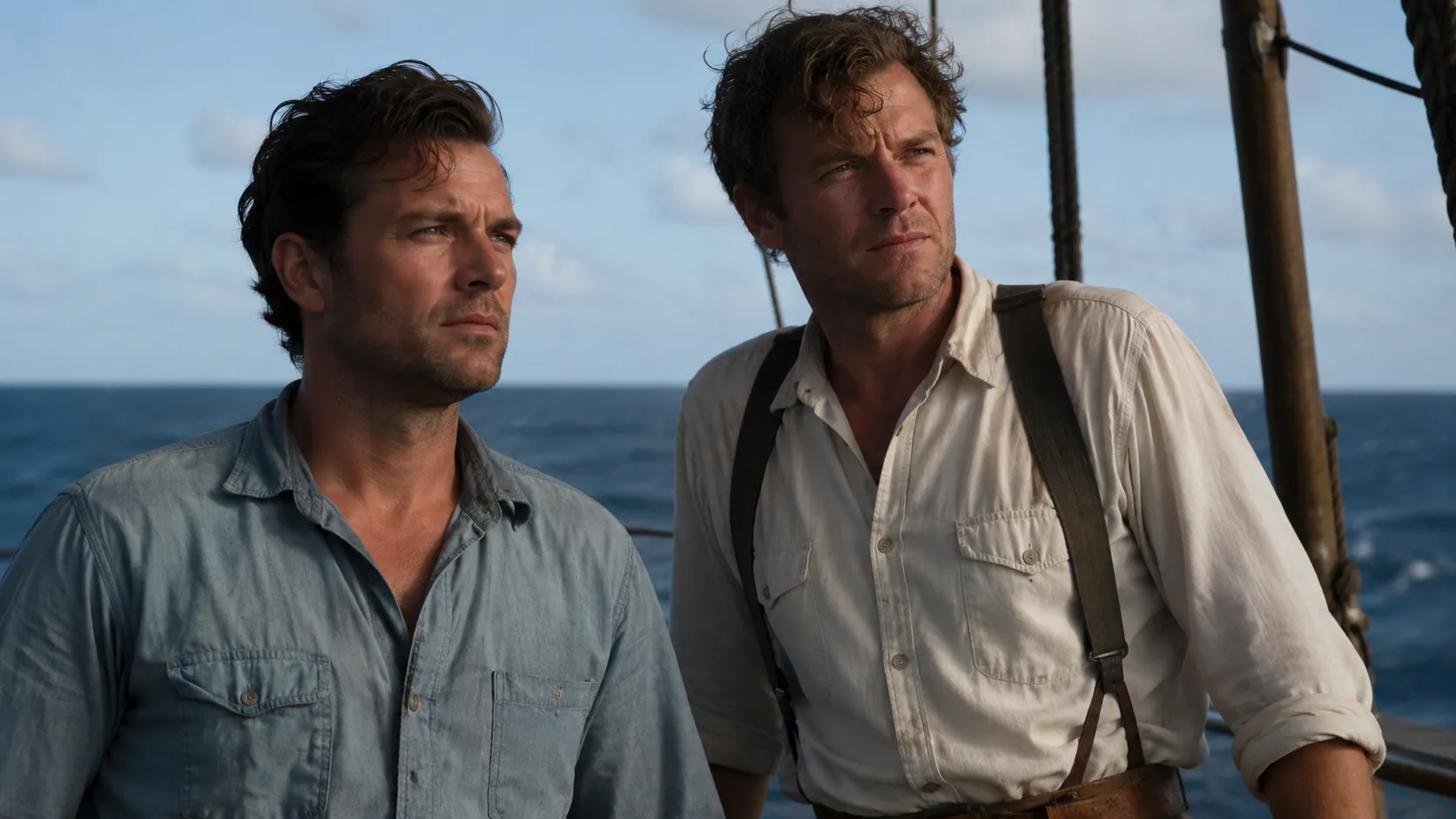
Is Whitney a guy in The Most Dangerous Game? Yes, Whitney is a guy in Richard Connell’s “The Most Dangerous Game.” He is presented as Sanger Rainsford’s male friend, traveling companion, and hunting companion at the beginning of the story. Many readers ask this question because the name Whitney can sound gender-neutral or even feminine to modern readers, but in the story, Whitney functions as a male character who helps introduce the plot, setting, and themes.
Whitney is not the main character, and he does not stay in the story for long. However, his brief appearance is important. He helps establish the eerie mood around Ship-Trap Island, raises questions about whether hunted animals feel fear, and gives readers an early look at Rainsford’s hunting philosophy. In simple terms, Whitney matters because he helps prepare the reader for Rainsford’s later experience as the hunted.
This article gives a clear, student-friendly answer to who Whitney is in “The Most Dangerous Game,” why his name causes confusion, and what role he plays in the story.
Is Whitney a Guy in The Most Dangerous Game?
Yes, Whitney is a guy in “The Most Dangerous Game.” He is a male character who appears in the opening scene with Sanger Rainsford. Whitney and Rainsford are traveling together by yacht toward the Amazon for a jaguar hunt, which shows that Whitney is also connected to the world of big-game hunting.
The confusion usually comes from the name Whitney. Today, many people may hear the name and assume it belongs to a woman, but in Richard Connell’s short story, Whitney is treated as Rainsford’s male friend and fellow hunter. He is not a female character, not a romantic interest, and not the same person as General Zaroff or Ivan.
A simple answer for students would be:
| Question | Answer |
| Is Whitney a guy? | Yes, Whitney is male. |
| Who is Whitney? | He is Rainsford’s friend and hunting companion. |
| Is Whitney important? | Yes, even though he appears briefly. |
| Does Whitney become the hunted? | No, Rainsford becomes the hunted. |
So, if your assignment asks “is Whitney male or female in The Most Dangerous Game?”, the answer is clear: Whitney is male. His main purpose is to help introduce the story’s early ideas about fear, hunting, prey, and danger before Rainsford reaches Ship-Trap Island.
Who Is Whitney in The Most Dangerous Game?
Whitney in “The Most Dangerous Game” is a minor character, but he plays an important role in the beginning of the story. He is Rainsford’s friend, traveling companion, and hunting companion. The two men are on a yacht traveling through the Caribbean on their way to hunt jaguars in the Amazon.
Whitney is not as central to the plot as Sanger Rainsford, General Zaroff, or Ivan, but he helps set up the conflict before the real danger begins. His conversation with Rainsford introduces the idea that the world may not be as simple as hunter and prey. Whitney is more thoughtful than Rainsford in the opening scene. He wonders whether animals understand fear, pain, and death. Rainsford, however, dismisses that idea and sees hunting mostly from the hunter’s point of view.
This is why Whitney’s character matters. He gives readers an early contrast to Rainsford. Whitney shows empathy, while Rainsford starts the story with a colder attitude toward hunted animals. Later, when Rainsford becomes the prey of General Zaroff, Whitney’s earlier comments become much more meaningful.
Whitney can be described as:
| Character Detail | Explanation |
| Gender | Male |
| Role | Minor supporting character |
| Relationship to Rainsford | Friend and hunting companion |
| Main scene | Opening yacht scene |
| Purpose | Introduces fear, hunting, and foreshadowing |
| Main idea connected to him | Hunted creatures may feel fear |
In a short Whitney character analysis, the key point is that Whitney may appear briefly, but he helps prepare readers for the story’s biggest reversal: Rainsford, the hunter, becomes the hunted.
Why Readers Get Confused About Whitney’s Gender
Many readers wonder, “Is Whitney a boy or girl in The Most Dangerous Game?” because the name Whitney can feel confusing today. In modern usage, Whitney is often seen as a gender-neutral name or a name more commonly associated with women. Because of that, students may assume Whitney is female when they first read the story.
However, in Richard Connell’s “The Most Dangerous Game,” Whitney is a male character. The story places him in the role of Rainsford’s male friend, a fellow hunter traveling with him at sea. He is part of the masculine hunting world that Rainsford belongs to before the story turns that world upside down.
Another reason for the confusion is that Whitney does not appear for very long. He is mainly present in the initial scenes, and the story does not spend much time giving a physical description of him. Because Whitney exits the active plot early, readers may remember his name but not his exact role.
The easiest way to understand it is this: Whitney’s name may sound gender-neutral, but his role in the story is clearly that of Rainsford’s male hunting companion.
This is also why a good answer should not only say “Whitney is male” but also explain why readers ask the question in the first place. The real issue is not just Whitney’s gender. It is the combination of a brief appearance, a gender-neutral name, and a story that quickly shifts focus to Rainsford, Zaroff, and Ship-Trap Island.
What Role Does Whitney Play in the Story?
Whitney’s role in “The Most Dangerous Game” is small but important. He appears near the beginning of the story, before Rainsford falls overboard and reaches Ship-Trap Island. His job in the narrative is to help establish the story’s mood, setting, and central moral question.
First, Whitney helps introduce Ship-Trap Island. He tells Rainsford that sailors are afraid of the island and that it has a dark reputation. This makes the setting feel mysterious before readers even see it directly. The island becomes a place of danger, superstition, and suspense.
Second, Whitney helps reveal Rainsford’s personality. When Whitney suggests that hunted animals may feel fear, Rainsford rejects the idea. Rainsford believes the world is made up of hunters and huntees. This shows that Rainsford begins the story with a confident and somewhat ruthless view of hunting.
Third, Whitney introduces one of the story’s most important themes: the relationship between hunter and prey. At the beginning, Rainsford thinks like a hunter. Later, after meeting General Zaroff, he is forced to think like prey. Whitney’s early conversation prepares readers for that ironic transformation.
Whitney also works as a foil to Rainsford. A foil is a character who helps highlight another character’s traits through contrast. Whitney is more sensitive and observant. Rainsford is more dismissive and confident. Their difference makes Rainsford’s later change more powerful.
So even though Whitney has limited dialogue and does not appear throughout the whole story, his purpose is clear. He helps set up the story’s conflict, foreshadowing, and moral dilemma.
How Whitney Foreshadows Ship-Trap Island
Whitney is closely connected to the story’s early foreshadowing. Foreshadowing happens when a story gives hints about what will happen later. In the opening scene, Whitney talks about Ship-Trap Island in a way that makes it seem dangerous and mysterious.
Before Rainsford ever reaches the island, Whitney explains that sailors fear it. This creates an ominous mood. The setting is dark, the yacht is moving through the Caribbean night, and the island has a frightening reputation. These details make readers expect that something bad is coming.
Whitney’s warning is important because it prepares readers for the world of General Zaroff. At first, Ship-Trap Island sounds like a place connected to superstition. Later, readers learn that the danger is very real. Zaroff lives there and hunts human beings for sport.
This makes Whitney’s comments more than casual conversation. His words help create suspense and point toward the story’s central danger. When Rainsford later falls from the yacht and swims toward the island, readers already know that this place is not safe.
Whitney also foreshadows the emotional journey Rainsford will face. When Whitney talks about fear, Rainsford does not fully understand him. But once Rainsford becomes prey, he experiences the fear that Whitney was trying to describe.
In this way, Whitney’s early scene does two things at once. It warns readers about Ship-Trap Island, and it introduces the idea that being hunted creates real terror. Both ideas become central to the story.
Whitney, Rainsford, and the Theme of Fear
One of the most important parts of Whitney’s role is his view of fear. Whitney believes that hunted animals may understand fear. He suggests that animals can experience the fear of pain and the fear of death. This idea is important because it challenges Rainsford’s view of hunting.
Rainsford does not agree at first. He believes animals do not understand enough to feel the way humans do. To him, hunting is a sport, and the hunter’s perspective is the only one that matters. This is why he says the world is divided into hunters and huntees.
Whitney’s attitude is different. He is still a hunter, but he shows more empathy. He considers the feelings of the creature being hunted. That makes him more sensitive than Rainsford in the opening scene.
This theme becomes powerful later because Rainsford is forced into the position of the hunted. When General Zaroff turns hunting into a game where humans are prey, Rainsford finally understands fear from the other side. He learns what it means to be chased, trapped, and threatened with death.
Whitney’s early comments make this reversal more meaningful. Without Whitney’s conversation about animal fear, Rainsford’s transformation would not feel as sharp. The reader remembers that Rainsford once dismissed the fear of hunted creatures. Then he experiences that same fear himself.
This is one reason Whitney is important in “The Most Dangerous Game.” He helps introduce the story’s moral question: Is hunting still just a sport when the prey can think, feel, and suffer?
Whitney vs. Rainsford: How Their Views Differ
Whitney and Rainsford are both hunters, but they do not think about hunting in exactly the same way. Whitney is more reflective, while Rainsford is more confident and dismissive. This difference helps build the story’s early character contrast.
Whitney believes hunted animals may feel fear. He thinks about the experience of the prey. Rainsford, on the other hand, sees hunting mainly from the hunter’s side. He believes the hunted animal has little understanding of what is happening.
This difference matters because Rainsford’s view is later tested. After he reaches Ship-Trap Island, he meets General Zaroff, a wealthy and cruel hunter who has become bored with animals and now hunts human beings. Zaroff treats people the way Rainsford originally treats animals: as prey in a game.
Whitney’s view is more humane than Rainsford’s early view. He does not reject hunting, but he shows concern for the hunted creature. Rainsford begins the story with less empathy, but his experience on the island forces him to change.
Here is a simple comparison:
| Topic | Whitney | Rainsford |
| View of animals | Animals may feel fear | Animals do not understand fear deeply |
| Attitude | Sensitive and observant | Confident and dismissive |
| Role | Minor character and foil | Main character and protagonist |
| Theme | Empathy for the hunted | Transformation from hunter to hunted |
| Story function | Sets up the moral question | Lives through the moral lesson |
Whitney is not the hero of the story, but his viewpoint helps readers understand what Rainsford must learn.
Does Whitney Return Later in the Story?
Whitney does not return as an active character later in “The Most Dangerous Game.” He mainly appears in the beginning, during the yacht scene with Rainsford. After Rainsford falls overboard and swims toward Ship-Trap Island, the plot moves away from Whitney and focuses on Rainsford’s survival.
So, what happens to Whitney after Rainsford falls? The story does not follow him closely after that moment. The most reasonable understanding is that Whitney remains on the yacht while Rainsford is separated from him. Whitney does not meet General Zaroff, does not enter Zaroff’s mansion, and does not become part of the dangerous hunting game on the island.
This can confuse readers because Whitney seems important in the opening but then disappears. However, his disappearance is part of his function as a minor character. He is there to introduce key ideas, not to drive the entire plot.
Whitney’s limited appearance does not make him useless. Instead, it makes his opening conversation more focused. He appears long enough to introduce Ship-Trap Island, discuss animal fear, and reveal Rainsford’s attitude before the real conflict begins.
Quick Character Clarification: Whitney, Zaroff, and Ivan
Students sometimes confuse the characters in “The Most Dangerous Game,” especially because Whitney appears briefly while General Zaroff and Ivan become important later. Here is a simple character clarification.
| Character | Who They Are | Role in the Story |
| Whitney | Rainsford’s male friend and hunting companion | Minor character in the opening scene |
| Sanger Rainsford | A skilled big-game hunter | Protagonist who becomes the hunted |
| General Zaroff | A wealthy aristocratic hunter on Ship-Trap Island | Main antagonist who hunts humans |
| Ivan | Zaroff’s servant and assistant | Supporting antagonist |
Whitney is not General Zaroff. Zaroff is the dangerous man who lives on Ship-Trap Island and hunts people for sport. Whitney is also not Ivan. Ivan is Zaroff’s servant and helps enforce Zaroff’s cruel system.
Whitney’s role is much simpler. He is Rainsford’s male friend, traveling companion, and fellow hunter at the beginning of the story. His purpose is to help set up the atmosphere and themes before Rainsford enters Zaroff’s world.
This distinction is important for homework, quizzes, and character analysis. If a question asks, “Who is Whitney in The Most Dangerous Game?”, do not describe Zaroff or Ivan. The correct answer is that Whitney is Rainsford’s friend and hunting companion who appears in the opening scene.
What Most Study Guides Miss About Whitney
Many study guides explain that Whitney is a minor character, but they often do not focus on the exact reason students search for him: gender confusion. The question “is Whitney a guy in The Most Dangerous Game?” exists because readers want a quick and clear answer.
That is the biggest content gap. Whitney’s gender should be explained directly before moving into deeper literary analysis. Students do not want to read several paragraphs before finding out whether Whitney is male or female. They need the answer first: Whitney is a male character.
Another missed point is the importance of Whitney’s name. Because Whitney can sound gender-neutral today, readers may hesitate when identifying the character. Explaining this name confusion makes the article more helpful and more complete.
A third missed point is Whitney’s brief appearance. Some readers may wonder, “Does Whitney come back later in the story?” or “What happens to Whitney after Rainsford falls?” These are natural questions because Whitney is present at the beginning but not active in the later conflict.
Finally, Whitney’s role should not be dismissed just because he appears briefly. He helps introduce foreshadowing, empathy, animal fear, and the hunter-versus-prey theme. He also makes Rainsford’s later experience more ironic because Rainsford becomes exactly what he once dismissed: a frightened creature being hunted.
FAQs About Whitney in The Most Dangerous Game
Is Whitney a boy or a girl in The Most Dangerous Game?
Whitney is a boy, or more accurately, a male character, in “The Most Dangerous Game.” He is Rainsford’s male friend and hunting companion in the opening scene.
Is Whitney Rainsford’s friend?
Yes, Whitney is Rainsford’s friend and traveling companion. They are together on a yacht at the beginning of the story while heading toward the Amazon for a hunting trip.
Why is Whitney important in the story?
Whitney is important because he helps introduce the story’s major themes. He talks about Ship-Trap Island, creates early suspense, and raises the idea that hunted animals may feel fear.
What does Whitney believe about animals?
Whitney believes animals may understand fear, especially the fear of pain and the fear of death. This makes him more empathetic than Rainsford at the beginning of the story.
Does Whitney meet General Zaroff?
No, Whitney does not meet General Zaroff in the active plot. Rainsford meets Zaroff after falling overboard and reaching Ship-Trap Island.
What happens to Whitney after Rainsford falls off the yacht?
The story does not focus on Whitney after Rainsford falls overboard. Whitney most likely remains on the yacht, while Rainsford becomes separated from him and swims toward Ship-Trap Island.
Is Whitney the main character?
No, Whitney is not the main character. The main character, or protagonist, is Sanger Rainsford. Whitney is a minor supporting character.
What does Whitney represent?
Whitney represents empathy and early moral awareness. He helps readers think about the feelings of the hunted before Rainsford is forced to experience fear himself.
Final Answer: Whitney Is a Male Character and Rainsford’s Hunting Companion
So, is Whitney a guy in The Most Dangerous Game? Yes. Whitney is a male character in Richard Connell’s 1924 short story “The Most Dangerous Game.” He is Sanger Rainsford’s friend, traveling companion, and hunting companion in the opening scene.
Although Whitney is a minor character, he plays an important role. He introduces the mystery of Ship-Trap Island, helps create foreshadowing, and raises the question of whether hunted animals feel fear of pain and fear of death. His more empathetic view contrasts with Rainsford’s early belief that the world is divided into hunters and huntees.
Disclaimer: This article is for general informational and educational purposes only and is not a substitute for academic instruction or literary analysis. Interpretations of characters, themes, and symbolism in literary works may vary among readers, educators, and scholars. Always refer to the original text and your instructor’s guidelines when completing assignments or academic discussions.