

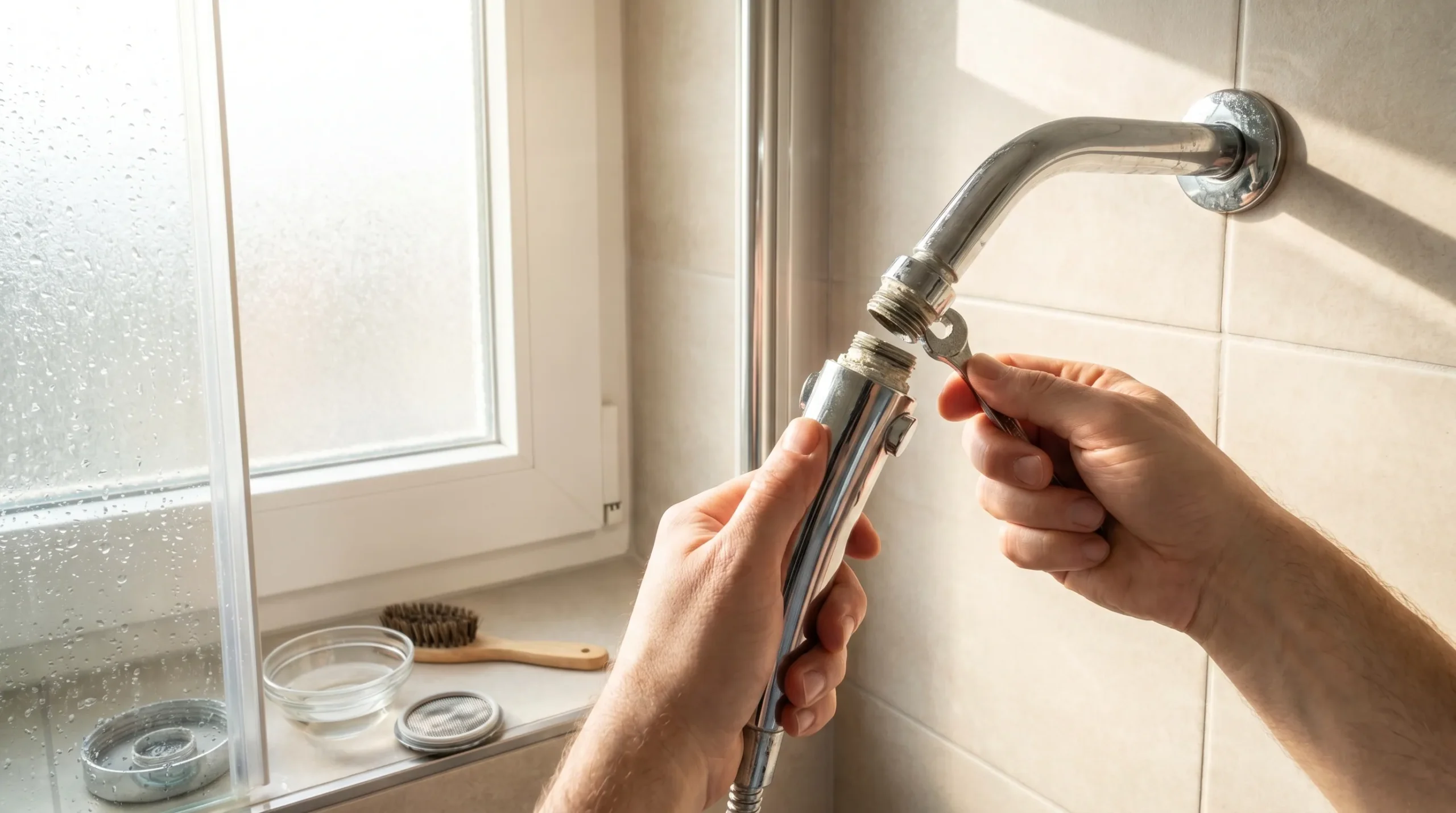
How do you increase water pressure in the shower when the water only trickles out, takes forever to rinse shampoo, and makes every shower feel frustrating? In most homes, the fix starts with a few simple checks: cleaning the showerhead, looking for limescale or mineral buildup, making sure valves are fully open, and figuring out whether the problem is just one shower or the whole house. If those quick fixes do not work, the cause may be deeper, such as a pressure regulator, mixing valve, corroded pipes, hidden leaks, or a home-wide supply issue. Across current ranking pages, the most common causes are clogged showerheads, hard water buildup, old plumbing, and low overall water pressure. EPA guidance also adds an important point: a shower can still feel strong even at a lower rated flow if the fixture is designed well.
If you want to improve water pressure in the shower, the smartest approach is to start with the cheapest, fastest fixes first, then move toward testing and bigger repairs only if you need them. That way, you avoid replacing parts that are not actually causing the problem and get to the real answer faster. In many cases, low shower pressure is a fixture issue, not a major plumbing disaster.
What Causes Low Water Pressure in the Shower?
Before you try to fix anything, it helps to understand what causes low water pressure in your shower. The most common reason is a clogged showerhead. Over time, tiny nozzle openings collect calcium, magnesium, lime, silica, and other hard-water deposits. That blocks the spray pattern and reduces water flow, even if the rest of the bathroom seems normal. Several of the competitor pages put this near the top of their troubleshooting advice because it is both common and easy to fix.
Another frequent cause is a flow restrictor or low-flow showerhead. These are not always bad. In fact, EPA says WaterSense showerheads use no more than 2.0 GPM, compared with 2.5 GPM for standard showerheads, while still being designed to deliver satisfactory spray performance. That means the real issue is not always the number on the box. Sometimes the problem is poor fixture design, not the lower flow rating itself.
You may also be dealing with a bigger plumbing problem. A pressure-reducing valve that is set too low, a partially closed main water valve, corroded pipes, sediment buildup, or hidden leaks can all reduce pressure. If the whole house feels weak, especially multiple bathrooms or both hot and cold fixtures, it is more likely to be a supply or system issue than a showerhead issue. Older homes are more vulnerable because aging pipes can narrow inside over time, restricting flow long before a leak becomes obvious.
There are also location-based factors. Homes in hard water areas, homes at higher elevations, and homes that experience pressure dips during peak water usage may all notice weaker shower performance. In neighborhoods where many people are using water at the same time, your shower may feel worse in the morning or evening even when nothing inside your home changed.
Start by Finding Out Whether You Really Have a Pressure Problem
One of the biggest mistakes people make is assuming the shower has a severe plumbing issue when the problem is actually isolated to one fixture. So before you start replacing parts, do a little troubleshooting.
Turn on the sink in the same bathroom. If the sink pressure is fine but the shower is weak, the issue may be the showerhead, cartridge, mixing valve, or tub-and-shower diverter, not the whole plumbing system. This kind of “one fixture is bad, others are okay” scenario comes up repeatedly in real-world homeowner discussions and is one of the most useful clues you can get.
Next, compare hot and cold water pressure. If only the hot side is weak, look harder at the water heater, mixing valve screens, or hot-side mineral buildup. If both hot and cold are poor, you may be dealing with a main line, pressure regulator, or clogged fixture issue instead. AHS specifically recommends checking whether the problem affects both hot and cold settings and whether other rooms have the same issue.
Then ask one more simple question: is the problem happening in just one shower, or everywhere? If only one shower has low pressure, focus on the shower assembly. If the whole house has low water pressure, especially at multiple faucets, outdoor spigots, or baths, move your attention toward the main water valve, service pressure, or a pressure regulator issue. EPA recommends checking service pressure at a hose bibb and notes that unusually low pressure may indicate a leak, while overly high pressure may call for adjustment toward about 60 psi.
Measure Shower Flow: Bucket Test, GPM, and PSI
If you want a more objective answer, do a bucket test. This is one of the best ways to move from guesswork to evidence. Place a marked container, such as a 1-gallon bucket or 1 litre measuring jug, under the shower and time how long it takes to fill. From there, you can estimate your flow rate in GPM or litres per minute. Competitor guides repeatedly use this method because it is easy, cheap, and surprisingly helpful.
A normal shower may fall around 1.8 to 2.5 GPM, depending on the fixture and local regulations. WaterSense-labeled showerheads are capped at 2.0 GPM, but they must still meet performance requirements related to spray force and coverage. So if your shower feels weak, it is useful to know whether you have a genuinely low flow rate or just a poor spray pattern.
You can also use a water pressure gauge on an outdoor hose bibb to measure overall home pressure. EPA guidance says service pressure much lower than about 45 psi may signal a leak or other problem, while much higher pressure may need adjustment with a PRV to protect plumbing and maintain pressure closer to 60 psi. Many home plumbing guides also describe a common working range around 40–60 PSI.
Here is a simple reference table:
| Test | What it tells you | Useful benchmark |
| Bucket test | Shower flow rate | Roughly 1.8–2.5 GPM is common depending on fixture and rules |
| Pressure gauge at hose bibb | Whole-home PSI | Around 45–60 psi is a practical reference point |
| Compare sink vs shower | Fixture issue vs house issue | If sink is strong but shower is weak, start with the shower assembly |
Quick Fixes That Often Increase Shower Pressure Fast
If you are wondering how to improve shower pressure without replacing plumbing, this is where to start.
The first fix is to clean the showerhead. Remove it if possible and soak it in white vinegar or a descaling solution to break up limescale buildup. If the nozzles are badly clogged, use a needle or similar fine tool carefully to clear them. This is one of the most commonly recommended solutions because it often works fast and costs almost nothing. In hard-water homes, it can make a dramatic difference.
The second fix is to check whether the shower has a clogged filter, hose, or screen. Some shower systems include filter screens that trap debris. Over time, these catch sediment, rust, and mineral particles, which lowers flow. If your shower has a handheld head or hose, inspect it for kinks or hidden blockages too. Mira’s water-pressure guide also emphasizes checking water isolators and ensuring supply valves are fully open.
The third fix is to confirm that valves are actually open all the way. That includes local shutoff valves if your plumbing has them, and the main water valve if the whole house seems weak. This is a simple check, but it gets overlooked all the time. A valve that is only partially open can make shower pressure feel terrible while still allowing enough water that you do not immediately suspect it. EPA specifically recommends checking the main valve as part of home maintenance for water efficiency and pressure issues.
The fourth fix is to look at the flow restrictor. Some homeowners remove it, but that is not always the best answer. A better approach is to determine whether the fixture itself is poor at distributing water. A well-designed water-saving showerhead with strong spray can feel better than an older high-flow head with a weak pattern. EPA’s WaterSense program exists for exactly this reason: lower flow does not automatically mean a worse shower.
A quick real-world example helps here. Imagine a bathroom where the sink is strong, the toilet fills normally, but the shower only dribbles. In that case, cleaning the showerhead and inspecting the valve or cartridge often solves the problem. By contrast, if the shower, sink, and tub all feel weak, you are much more likely looking at a larger pressure issue.
When the Problem Is Bigger Than the Showerhead
Sometimes the easy fixes do nothing because the real problem is deeper in the plumbing system. This is where you need to think beyond the fixture.
One major cause is leaks. Even a slow leak behind a wall or under a floor can steal pressure from a shower. You may also notice water stains, damp spots, or an unusually high water bill. EPA notes that low service pressure can point to leakage, and general plumbing guides agree that hidden leaks can reduce available flow to fixtures.
Another common cause is corroded pipes or sediment buildup in pipes, especially in older homes. Over time, the inside diameter narrows, which limits water delivery. This is not usually a quick DIY repair. If your plumbing is old and several fixtures are weak, the issue may not be the shower at all.
Then there is the pressure regulator, often called a PRV. If it is set too low or beginning to fail, the entire house can experience low pressure. This is one of the best explanations when multiple fixtures feel weak at once. Similarly, homes on well systems may have issues with a pressure tank, pressure switch, or pump settings. Competitor pages repeatedly bring up booster pumps and pressure-control equipment as system-level fixes.
If your home naturally has weak incoming pressure, a water pressure booster pump can help. This is not always cheap, but it can be the right long-term solution when the supply itself is consistently low. Several competitors mention pumps as an answer for severe or whole-house pressure problems.
Best Upgrades to Improve Shower Pressure
If the problem is not just dirt or buildup, the right upgrade can make a major difference. The most obvious one is replacing the fixture with one of the best shower heads for low water pressure. Look for a model designed to improve spray force and spray coverage, not just one with a higher advertised flow number. EPA’s WaterSense criteria make this especially relevant, because products in that program must balance water savings with acceptable spray performance.
Another worthwhile upgrade may be a new cartridge, mixing valve, or pressure-balanced shower valve if the problem is inside the shower hardware. If the pressure changes suddenly when someone flushes a toilet or runs a sink, the issue may involve the shower valve or pressure-balancing components rather than the showerhead itself. This is one of the best gap angles because competitor articles only touch it lightly, even though it maps well to real user frustration. Supporting plumbing guidance from This Old House also discusses anti-scald and pressure-balancing valve behavior in shower systems.
For severe whole-house issues, larger upgrades like a booster system installation, PRV adjustment, or even pipe replacement may be the real fix. Those are bigger investments, but they address the root cause instead of masking it.
Low Hot Water Pressure vs. Low Cold Water Pressure
If only the hot side is weak, do not assume the showerhead is the problem. This pattern often points toward the water heater, hot-side mineral buildup, or a clogged mixing valve screen. AHS recommends checking whether both hot and cold settings are affected, because that simple test helps narrow the cause much faster.
If only the cold side feels low, the issue may be a supply imbalance, valve restriction, or another cold-side plumbing issue. If both are weak, it is more likely a universal flow or pressure problem. In showers with pressure-balanced or thermostatic valves, malfunctioning internals can affect both comfort and pressure. This is also relevant when you notice unstable temperature along with weak flow.
If Only One Shower Has Low Pressure, Here’s How to Narrow It Down
This situation is more common than people think. You may have one perfectly normal bathroom and one shower that feels awful. When that happens, the problem is usually local: the showerhead, cartridge, diverter, or mixing valve is a much stronger suspect than the main house pressure.
The Reddit thread in your competitor set is useful here because it shows exactly how real homeowners describe this issue: the sinks are fine, but the shower is terrible; parts have been replaced, but the pressure still feels low. That is a strong reminder that isolated shower problems often need closer inspection of the specific shower assembly, not random part-swapping.
A practical order of operations is this: clean the head, compare hot and cold flow, inspect the cartridge, check the diverter if it is a tub-and-shower combo, and only then move outward to house-wide pressure testing if the clues point in that direction.
When to Call a Plumber
You do not need to call a plumber for every weak shower. But you probably should if the issue involves hidden leaks, persistent pressure regulator problems, corroded pipes, severe water heater issues, or low pressure throughout the home. These are no longer “clean it and see” problems.
You should also get professional help if you test the house pressure and it is clearly outside a reasonable range, if you suspect a failing PRV, or if you see signs of water damage. Plumbing professionals can also determine whether a booster pump, valve repair, or pipe upgrade is the smartest long-term fix. Competitor pages repeatedly position professional help as the next step once simple fixes fail, and EPA’s maintenance guidance supports that escalation when pressure readings suggest a system issue.
“Start with the easy stuff, but measure before you guess.”
That simple idea captures the best strategy for fixing low water pressure in the shower.
FAQ
Can a showerhead really increase water pressure?
A showerhead cannot magically increase your home’s incoming pressure, but it can improve how the water feels by changing spray force, coverage, and distribution. That is why a better-designed head can make a weak shower feel much stronger. EPA’s WaterSense program specifically supports this concept.
Should you remove a flow restrictor?
Not automatically. Sometimes the issue is a clogged or badly designed fixture, not the restrictor itself. Removing it may increase flow, but it can also waste water and may not solve the underlying spray problem. A better first step is cleaning the fixture and comparing performance.
What PSI is normal for a house?
Many home plumbing references describe a practical working range around 40–60 PSI, and EPA notes that service pressure much lower than about 45 psi may indicate a leak or other issue, while high pressure may need to be reduced toward 60 psi.
Why does my shower pressure drop when someone flushes a toilet?
That can point to a supply limitation or a shower valve issue, especially in older systems. It may also mean your shower lacks a properly functioning pressure balancer. This is a useful clue when diagnosing whether the issue is the fixture or the home’s overall supply.
Is hard water really that big a deal?
Yes. In hard water areas, limescale and mineral buildup are among the most common causes of a weak shower. Over time, even tiny nozzle openings can clog enough to noticeably reduce flow.
Conclusion
How do you increase water pressure in the shower without wasting time or money? Start with the basics: clean the showerhead, remove mineral buildup, check valves, and compare the shower with nearby fixtures. Then move to testing with a bucket test or pressure gauge so you know whether the problem is the fixture, the shower valve, or the whole house. If needed, look at bigger causes like pressure regulators, leaks, corroded pipes, or a booster pump. In many homes, the answer is simpler than it first seems. Once you identify whether the issue is local or system-wide, improving shower pressure becomes much more straightforward.
Disclaimer:
This article is for general informational purposes only and is not a substitute for professional plumbing inspection or repair. Solutions for low shower water pressure—such as cleaning showerheads, checking valves, or removing mineral buildup—may help in some cases, but persistent or house-wide pressure issues may require a licensed plumber to inspect pressure regulators, pipes, or leaks. Always consult a qualified professional for safe and accurate diagnosis and repair.