

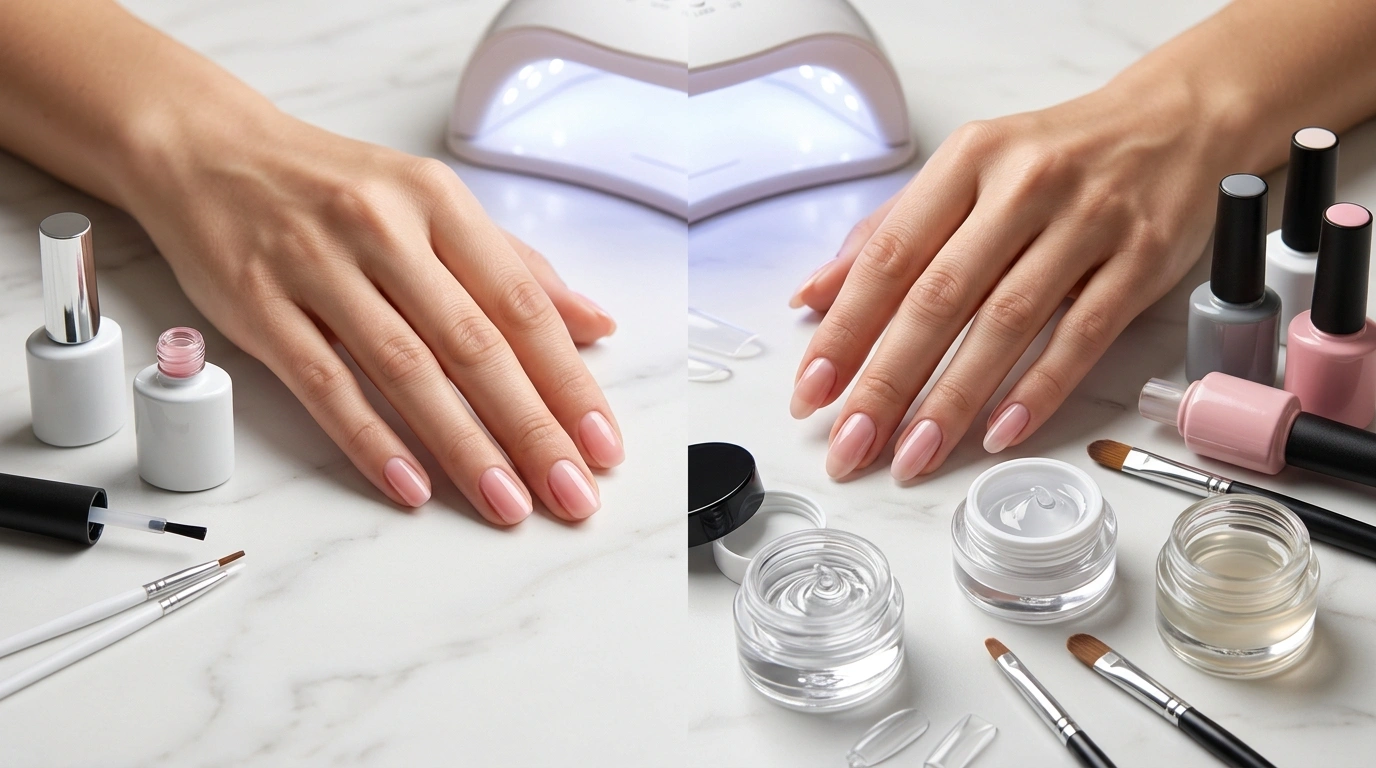
Is shellac the same as gel? Not exactly. Shellac and gel polish are closely related, but they are not always the same thing. Shellac is a CND-branded hybrid gel polish system, while gel is a broader category that can include gel polish, soft gel, hard gel, builder gel, gel overlays, and gel extensions.
This is why the question “Shellac vs gel” can feel confusing. Some salons use the word Shellac to describe any long-lasting gel manicure, but technically, CND Shellac is a specific product line. A regular gel manicure may use another brand or a different type of gel formula.
The simple answer is this: Shellac is a type of gel polish, but not all gel polish is Shellac. If you are choosing between a Shellac manicure and a gel manicure, the right option depends on your natural nails, lifestyle, removal preferences, nail health, budget, and how long you want the manicure to last.
Quick Answer: Is Shellac the Same as Gel?
Shellac is not exactly the same as gel polish, but it belongs to the same general family of long-lasting, lamp-cured nail products. Shellac is a brand name created by CND, also known as Creative Nail Design. It is often described as a hybrid polish because it combines qualities of traditional nail polish and gel polish.
Gel polish, on the other hand, is a much wider term. It can refer to many different brands and formulas. Some gel products are thin and polish-like, while others are thicker and designed for added strength, sculpting, or gel extensions.
The confusion happens because many people use “Shellac” and “gel” interchangeably. In everyday salon language, someone might say they want Shellac when they really mean a glossy, long-lasting gel manicure. But from a product point of view, CND Shellac is specific, while gel nails can mean several different treatments.
So, if you are wondering “are gel and Shellac the same?”, the best answer is: they are similar, but Shellac is a branded gel polish system, while gel is the broader category.
Shellac vs Gel: Quick Comparison Table
Here is a simple Shellac vs gel comparison table to make the difference clearer.
| Feature | Shellac | Gel |
| Product type | CND-branded hybrid gel polish | Broad category of gel nail products |
| Best for | Natural-looking, glossy manicures | Longer wear, strength, nail art, overlays, extensions |
| Typical wear time | Around 10–14 days | Often 2–3 weeks, sometimes longer |
| Finish | Thin, shiny, natural glossy finish | Glossy, stronger, sometimes thicker glass-like shine |
| Application | Base coat, color coat, top coat, lamp curing | Similar process, but may include thicker layers or structure |
| Removal process | Usually easier soak-off removal | May need longer soaking, filing, or professional removal |
| Nail extensions | Not usually used for extensions | Can include builder gel, hard gel, or gel extensions |
| Best user | Frequent color changers, natural nail lovers | Brides, travelers, nail art lovers, long-wear users |
In short, Shellac nails vs gel nails comes down to flexibility. Shellac nails are often lighter, thinner, and easier to remove. Gel nails may offer more strength, more design options, and longer wear, especially if you choose builder gel, hard gel, or a structured gel manicure.
What Is Shellac?
Shellac is a professional nail product most commonly linked to CND Shellac. It is not simply regular nail polish, and it is not the same as every gel polish on the market. It is a hybrid polish that gives the glossy look of traditional polish with the longer wear of gel.
A typical Shellac manicure includes nail prep, a base coat, color coats, a top coat, and curing under a UV lamp or LED lamp. Once cured, the manicure is dry immediately, so there is no long drying time like with traditional nail polish.
One reason people like Shellac is that it usually feels light on the nails. It is often chosen by people who want a natural glossy finish, a polished look, and a manicure that can last around 10 to 14 days with proper care.
Shellac is also popular with people who change colors often because the removal process is usually easier than some thicker gel systems. When removed correctly with acetone wraps or a proper soak-off service, it can be gentle on the natural nail plate.
However, Shellac is not ideal for every nail goal. If you want long extensions, heavy structure, or very strong reinforcement, a different gel service may be better.
What Is Gel Polish?
Gel polish is a long-lasting nail coating that is applied in layers and cured under a UV or LED lamp. It is known for its glossy finish, chip resistance, and durability. Unlike traditional nail polish, gel polish does not air dry. It needs light curing to harden properly.
The word gel can mean different things in nail salons. It may refer to a simple gel manicure, but it can also include soft gel, hard gel, builder gel, gel overlay, or gel extensions. This is one reason the phrase “difference between Shellac and gel” can be tricky.
A basic gel polish manicure is similar to Shellac in that it uses a base coat, color coat, and top coat. But some gel systems are thicker and stronger. Builder gel and hard gel, for example, can add structure to weak nails or create length. These products are often used for clients who want stronger nails, nail art, or extensions.
Gel polish is often a good choice if you want a manicure that lasts around 2–3 weeks, depending on your nail prep, lifestyle, and aftercare. It can be especially useful for people who want long-lasting nail care, bold color, or more detailed nail art.
Key Differences Between Shellac and Gel
The main difference between Shellac and gel is that Shellac is a specific branded hybrid polish, while gel is a broad product category. But the practical differences matter too. They affect how your manicure looks, feels, lasts, and comes off.
Application
Both Shellac and gel usually follow a similar application process. A nail technician prepares the nails, applies a base coat, adds color coats, seals everything with a top coat, and cures each layer under a UV lamp or LED lamp.
Shellac is often applied in thinner layers, which gives it a lightweight feel. Many people prefer it because it looks more like regular polish but lasts longer. Gel polish can also be thin, but some formulas are thicker. If you choose builder gel, hard gel, or a gel overlay, the application may include more shaping, structure, and filing.
Wear Time
When it comes to which lasts longer, Shellac or gel, gel often has the advantage. Shellac commonly lasts around 10–14 days, while gel polish often lasts around 2–3 weeks. Some stronger gel systems may last three weeks or longer, especially when applied professionally and maintained well.
That said, wear time depends on your nails and lifestyle. Frequent handwashing, cleaning chemicals, weak nails, oily nail beds, picking, and rough daily use can make either Shellac or gel lift or chip sooner.
Strength
Shellac feels lighter and more flexible. It is a good choice if you want a clean, natural manicure. Gel polish can feel stronger, especially if the formula is thicker. Builder gel and structured gel can add even more strength, which is helpful for people with thin, bendy, or brittle nails.
However, stronger does not always mean better. If your nails are already damaged, aggressive prep or poor removal can make the problem worse.
Removal
The removal process is one of the biggest differences. Shellac is generally known for easier soak-off removal. Gel polish may also soak off, but some formulas take longer. Builder gel or hard gel may require filing or professional maintenance.
A typical Shellac removal may take around 10–15 minutes or 15 to 20 minutes, while some gel removals can take 20–30+ minutes or longer depending on the product. The safest method usually involves acetone, foil wraps, patience, and gentle removal.
Never peel Shellac or gel off by hand. Peeling can pull layers from the natural nail plate, causing weak nails, nail breakage, and flakiness.
Nail Art and Extensions
Shellac works well for simple, polished manicures, classic shades, French tips, and natural-looking nails. Gel is often better if you want detailed nail art, chrome effects, cat-eye designs, sculpting, overlays, or extensions.
If your goal is length or structure, ask for builder gel, hard gel, gel extensions, or a structured gel manicure instead of Shellac.
Is Shellac or Gel Better for Nail Health?
A common question is “is Shellac less damaging than gel?” The honest answer is that both can be safe when applied and removed properly. Nail damage usually comes from bad technique, not simply from the product itself.
Damage often happens when someone peels polish off, scrapes too hard, over-files the nail plate, or removes gel without enough soaking time. Repeated aggressive removal can lead to thin nails, weak nails, sensitive nails, flaking, and breakage.
Shellac may feel gentler for some people because it is usually thinner and easier to remove. If you have natural nails and want a manicure that looks polished without heavy structure, Shellac can be a good option. It is especially useful for people who like frequent color changes.
Gel can also be healthy for your nails when applied by a careful nail technician. In fact, some builder gels can help protect weak nails by adding structure. But they require proper application and professional removal.
For healthier nails, avoid picking, use cuticle oil, moisturize after acetone removal, and give your nails a break if they become sore, thin, or damaged. A good nail technician should avoid unnecessary buffing, harsh scraping, and over-filing.
Which Looks Better: Shellac or Gel?
The better-looking option depends on your personal style.
Shellac usually gives a thinner, cleaner, more natural glossy finish. It is a great choice if you like nude nails, soft pinks, sheer colors, classic reds, French manicures, or a simple polished look. It feels lightweight and elegant, which makes it popular for everyday wear.
Gel polish can give a stronger, thicker, more glass-like shine. It is often better for bold colors, detailed nail art, chrome nails, cat-eye designs, glitter, and structured looks. If you want dramatic nails or longer wear for a vacation, wedding, or special event, gel may be more suitable.
For a minimalist manicure, Shellac may look better. For stronger, more creative, or longer-lasting nails, gel usually gives more options.
Shellac vs Gel Pros and Cons
Both Shellac and gel have benefits. The best choice depends on what matters most to you: wear time, appearance, removal, nail health, or strength.
Shellac Pros
Shellac nails are usually light, glossy, and natural-looking. They are a good choice for people who want a polished manicure without too much thickness. Shellac is also known for easier removal, which can be helpful if your nails are thin or sensitive.
Shellac is ideal for frequent color changes, everyday wear, and people who want a salon manicure that does not feel heavy.
Shellac Cons
Shellac may not last as long as some gel systems. It may chip sooner if your nails are very weak, bendy, or exposed to rough daily wear. It is also not the best choice for extensions or major nail strengthening.
Gel Pros
Gel nails are often stronger and longer-lasting. Gel is a reliable option for long-lasting nails, detailed nail art, overlays, and extensions. It can be a better choice for brides, travelers, busy professionals, or anyone who wants a manicure to last closer to 2–3 weeks.
Gel Cons
Gel can be harder to remove than Shellac, especially if it is thick, structured, or not a soak-off formula. Poor removal can cause nail thinning or damage. Some gel manicures may also feel too thick for people who prefer a natural look.
Which Should You Choose?
Choose Shellac if you want a natural-looking manicure, lighter feel, glossy shine, and easier removal. It is a strong choice for short natural nails, everyday wear, frequent color changes, and people who want a simple salon manicure without extra thickness.
Choose gel if you want longer wear, more strength, bold nail art, or extensions. Gel may be better for vacations, weddings, special events, long work weeks, or people who do not want to redo their nails often.
If you have weak, thin, or brittle nails, do not only ask whether Shellac or gel is better. Ask your nail technician what your nails actually need. Some people do well with Shellac because it is lighter. Others may benefit from a gentle builder gel overlay because it adds support.
A helpful salon question is: “Do you use genuine CND Shellac, regular gel polish, builder gel, or hard gel?” This helps you understand exactly what you are booking.
Also ask about removal. A manicure is only as healthy as its removal process. If the salon files too aggressively or rushes removal, even the best product can damage your nails.
Shellac vs Builder Gel, BIAB, Acrylic, and Dip Powder
Shellac and gel polish are only part of the nail service world. To choose correctly, it helps to understand nearby options.
Shellac vs builder gel: Shellac is polish-like and best for color and shine. Builder gel is thicker and adds structure to the nail. It may be better for weak nails that need support.
Shellac vs BIAB: BIAB, or builder in a bottle, is a type of builder-style gel. It is usually used to strengthen natural nails. It is not the same as Shellac.
Shellac vs acrylic nails: Acrylic nails are stronger and often used for extensions. They are more intense than Shellac and usually require more maintenance.
Shellac vs dip powder: Dip powder uses powder and bonding liquids. It does not cure the same way as gel polish and is a different manicure system.
Gel polish vs hard gel: Soft gel polish may soak off, but hard gel usually needs filing. That makes professional removal especially important.
Safety Tips: UV Lamps, Allergies, and At-Home Removal
Both Shellac and gel usually need a UV or LED lamp to cure. If you are concerned about lamp exposure, you can apply sunscreen to your hands before your appointment or use fingerless UV-protective gloves.
Another modern concern is gel polish allergy. Some people react to gel ingredients such as HEMA or other methacrylates, especially if uncured gel touches the skin or the product is not cured properly. Warning signs can include redness, itching, swelling, burning, or skin irritation around the nails. If this happens, stop using the product and speak to a qualified professional.
At-home removal is possible for some soak-off products, but it must be done carefully. Do not rip, peel, or scrape Shellac or gel from your nails. Use proper acetone soaking, be patient, and avoid forcing the product off. If you have builder gel, hard gel, damaged nails, or painful nails, professional removal is safer.
After removal, use cuticle oil, hand cream, and gentle nail care to restore moisture.
FAQs About Shellac and Gel
Is Shellac better than gel?
Shellac is better if you want a lighter, more natural-looking manicure with easier removal. Gel is better if you want more strength, longer wear, or detailed nail art. The better option depends on your nails and lifestyle.
Does Shellac last longer than gel?
Usually, no. Shellac often lasts around 10–14 days, while gel polish can last around 2–3 weeks. However, wear time depends on nail prep, product quality, aftercare, and daily habits.
Is Shellac less damaging than gel?
Shellac may be easier to remove, so it can feel gentler on natural nails. But both Shellac and gel can damage nails if peeled, scraped, or filed off incorrectly. Proper removal matters more than the label.
Can you remove Shellac at home?
You can remove some Shellac manicures at home using acetone and wraps, but professional removal is safer. Never peel Shellac off because it can damage the natural nail plate.
Does Shellac need a UV light?
Yes, Shellac usually needs a UV or LED lamp to cure. The same is true for most gel polish systems.
Can Shellac be used on toenails?
Yes, Shellac can be used for pedicures. It can be a good option for toenails because it gives a glossy, chip-resistant finish. Gel polish can also work well for pedicures, especially if you want longer wear.
Can you put gel over Shellac?
It is not usually the best idea to layer random gel products over Shellac unless a professional nail technician recommends it. Different systems are designed to work with their own base coats, color coats, and top coats.
Why does Shellac chip or peel?
Shellac may chip or peel because of poor nail prep, oily nail beds, weak nails, water exposure, cleaning chemicals, picking, or improper curing. Good prep and aftercare help it last longer.
Conclusion
So, is Shellac the same as gel? Shellac and gel are similar, but they are not exactly the same. Shellac is a CND-branded hybrid gel polish, while gel is a broader category that includes gel polish, builder gel, hard gel, soft gel, overlays, and extensions.
Choose Shellac if you want a natural glossy finish, lighter feel, and easier removal. Choose gel if you want longer wear, added strength, nail art, or extensions. For the healthiest result, focus on proper application, careful removal, and good aftercare. A beautiful manicure should not come at the cost of damaged natural nails.