

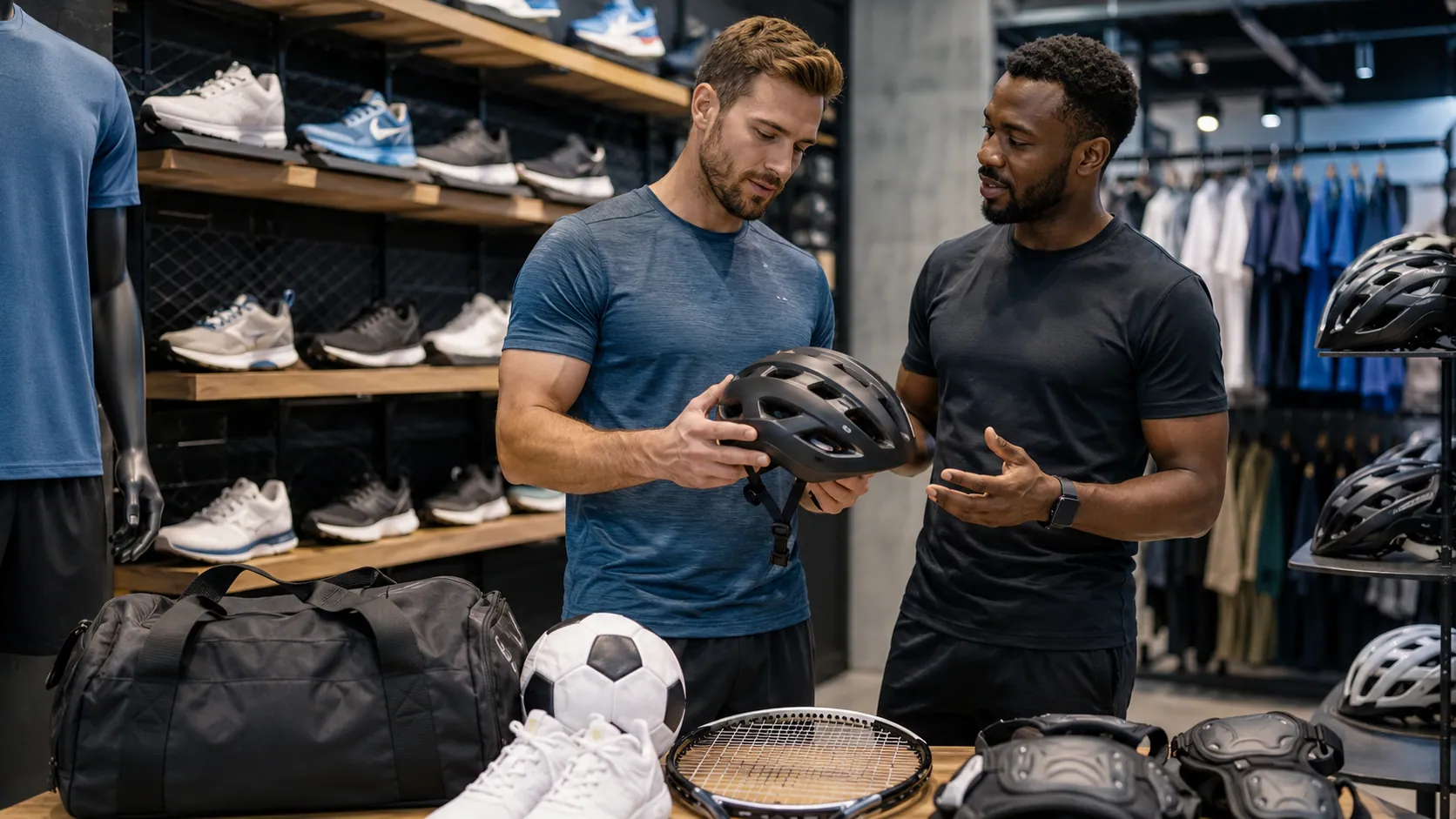
How to choose the right sports gear is one of the most important questions to ask before starting a new sport, upgrading your equipment, or buying gear for a child. The right sports gear can improve your comfort, safety, performance, confidence, and durability, while the wrong gear can lead to discomfort, wasted money, poor movement, or even injury.
Whether you are buying running shoes, protective gear, sportswear, training equipment, or a complete sports equipment list for a new activity, your goal should not be to buy the most expensive items. Your goal should be to choose right sports equipment that fits your body, matches your sport, supports your skill level, and works for your budget.
This sports equipment buying guide will walk you through everything you need to know, from choosing sports gear for beginners to checking safety standards, comparing materials, reading reviews, and knowing when to replace old equipment.
Start With Your Sport, Goal, and Playing Environment
The first step in choosing sport-specific gear is understanding the demands of the sport itself. Every activity places different pressure on the body, uses different movements, and requires different equipment. For example, running depends heavily on supportive shoes, cushioning, shock absorption, and foot shape. Basketball needs shoes with grip, ankle support, traction, and stability. Cycling requires a properly fitted bike, helmet, gloves, and often cycling clothing. Swimming needs swimwear, goggles, and sometimes a swim cap. Soccer or football usually requires cleats, shin guards, a ball, and breathable sports apparel.
Your playing surface also matters. Gear that works on indoor courts may not perform well on turf, grass fields, pavement, trails, or wet outdoor surfaces. A pair of running shoes made for paved roads may not give enough grip for trail running. Soccer cleats designed for grass may feel unsafe on artificial turf. Outdoor athletes also need to think about heat, rain, cold, direct sunlight, and changing terrain.
Before buying anything, ask yourself: What sport am I playing, where will I play it, and what is my main goal? A beginner training for general fitness does not need the same gear as a competitive athlete preparing for match day, race day, or long-distance competition.
Choose Sports Gear Based on Your Skill Level
A common mistake is buying advanced equipment too early. Sports gear for beginners should be simple, comfortable, safe, and easy to use. If you are just starting, focus on beginner-friendly gear that helps you learn proper movement without overwhelming you with unnecessary features.
For example, a new runner does not need carbon plate racing shoes right away. A comfortable pair of running shoes with the right cushioning, support, and fit is usually more useful. A beginner tennis player does not need the most advanced tennis racket; they need a racket with a comfortable grip, manageable weight, and enough control to build technique.
As your skill level improves, you can start looking at high-performance gear and specialized equipment. Intermediate and advanced athletes may benefit from technical specifications such as shaft material in golf clubs, grip type in rackets, enhanced traction in shoes, adjustable resistance in fitness equipment, or programmable settings in training machines.
The key is to match your gear to your current needs. Good sports gear selection grows with your ability, not ahead of it.
Separate Essential Sports Gear From Optional Accessories
When you are learning how to choose sports equipment, it helps to separate must-have sports gear from nice-to-have accessories. This prevents overspending and keeps your buying process focused.
Essential gear usually includes items that directly affect safety, movement, comfort, and basic participation. Optional gear may improve convenience or performance, but it is not always necessary at the beginning.
| Sport | Essential Gear | Optional Gear |
| Running | Running shoes, running socks, breathable clothing | GPS sports watch, hydration belt, smart insoles |
| Soccer/Football | Cleats, shin guards, ball | Training cones, sports bag, compression gear |
| Basketball | Basketball shoes, ball | Knee sleeves, ankle brace, performance tracker |
| Cycling | Bike, helmet, gloves | Cycling computer, heart rate monitor, power meter |
| Swimming | Swimwear, goggles | Swim cap, training fins, waterproof fitness tracker |
| Hiking | Hiking boots, backpack | Trekking poles, rain jacket, GPS watch |
A practical beginner sports gear checklist should focus first on shoes, clothing, protective equipment, and sport-specific tools. Accessories like sports bags, wearable fitness technology, extra training aids, and premium apparel can come later.
A simple rule: buy safety and fit first, then upgrade for performance.
Make Fit, Comfort, and Sizing Your First Priority
No matter how good a product looks, it is not the right choice if it does not fit properly. Proper fit affects movement, safety, confidence, and performance. Poorly fitted gear can cause blisters, chafing, knee pain, skin irritation, restricted motion, or injury risk.
Sports shoes should match your shoe size, foot shape, foot type, arch type, toe box needs, and heel lock. People with flat feet, high arches, wide feet, or narrow feet may need different support features. Running shoes should feel secure but not tight. Your toes should have room to move, and your heel should not slip.
Protective gear needs the same attention. A helmet should fit snugly and should not slide around when you move your head. Knee pads, elbow pads, shin guards, and mouthguards should stay in place without cutting off circulation or limiting range of motion. Gloves should match hand circumference and grip needs. Sports bras should support movement without digging into the skin. Cycling gear should consider bike size, rider height, and comfort over long rides.
Always use a sizing chart and take body measurements when needed. Check head circumference for helmets, glove size for gloves, bra size for sports bras, and foot shape for footwear. When possible, try the item on and move in it before buying.
Good gear should feel secure, supportive, and natural.
Prioritize Safety and Protective Gear
Safety should never be treated as optional. In sports such as football, cycling, skateboarding, skiing, lacrosse, baseball, cricket, and basketball, protective gear can reduce injury risk and help athletes play with confidence.
Important safety items may include helmets, pads, knee pads, elbow pads, shin guards, mouthguards, protective gloves, hard shells, and impact protection. For children and young athletes, safety becomes even more important because their bodies are still developing and they may not always recognize when gear fits poorly.
When buying safety equipment, check for safety standards and certified equipment where relevant. Depending on the sport and region, labels may include standards such as ASTM, CE, CPSC, NOCSAE, or EN safety standards. These certifications help show that the product has been tested for specific safety requirements.
Also inspect gear carefully before use. Cracked padding, loose straps, worn-out buckles, damaged shells, missing labels, and expired helmets are red flags. Used safety gear can be risky, especially helmets, because you may not know whether it has already absorbed a hard impact.
A coach once gave this simple advice: “If the gear protects your head, teeth, joints, or spine, do not guess—check the fit and safety rating.”
That is a strong rule to follow.
Look at Materials, Build Quality, and Durability
Good sports equipment materials should match how and where you use the gear. For clothing, look for breathable fabric, moisture-wicking fabric, quick-dry fabric, stretchy materials, and lightweight fabric. These help with sweat control, mobility, and comfort during workouts or competition.
For shoes and protective gear, look at cushioning, soles, stitching, straps, rubber, foam, and support systems. High-quality running shoes often use durable midsoles, strong outsoles, and enough shock absorption for your distance and terrain. Protective equipment may use quality foams, hard shells, and secure fastening systems. Some advanced gear may include carbon fibre, carbon plates, or specialized synthetic materials.
Build quality matters just as much as material. Check for frayed stitching, weak zippers, loose straps, cracked padding, thin soles, poor grip, and rough edges. If the item feels flimsy before you use it, it may not last long under real training conditions.
Weather also affects durability. Outdoor gear should handle heat, rain, cold, wet conditions, and direct sunlight. For winter sports or hiking, look for water resistance, waterproofness, windproofness, membranes, base layers, middle layers, and top layers. For hot weather, breathable clothing and UV protection become more important.
Durable gear often costs more upfront, but it can save money over time if it lasts longer and protects you better.
Choose Sportswear That Supports Movement and Climate
Choosing sportswear is not just about style. The right sports apparel should help your body move freely, manage sweat, and stay comfortable in your environment. Good activewear supports performance without feeling heavy, restrictive, or irritating.
For workouts, running, football, basketball, cycling, and gym training, moisture-wicking sportswear helps pull sweat away from the skin. This can reduce chafing, wet feet, odor, and discomfort. Cotton socks, for example, may hold moisture during running, which can increase the risk of blisters and skin irritation.
In hot weather, choose breathable sportswear, lightweight fabric, and UV shirts when training under direct sunlight. In cold weather, layering is important. A base layer helps manage sweat, a middle layer adds warmth, and a top layer protects from wind or rain.
For sports with repeated movement, such as gymnastics, tennis, volleyball, swimming, and cycling, range of motion matters. Clothing should stretch and move with the body. For many athletes, compression clothing, sports bras, cycling shorts, and performance apparel can provide extra support and comfort when chosen correctly.
The best sportswear is the clothing you can move in confidently without constantly adjusting it.
Balance Budget, Quality, and Long-Term Value
A smart budget sports gear guide does not simply say “buy cheap” or “buy expensive.” Instead, it helps you understand where to spend more and where to save.
Spend more on gear that directly affects safety, injury prevention, and performance. This usually includes running shoes, helmets, mouthguards, protective pads, cleats, and sport-specific equipment that takes heavy impact. Cheap safety gear may save money at first, but it can cost more later if it fails or causes discomfort.
You can often save on items like basic workout clothes, sports bags, training cones, extra accessories, or non-protective items. Sales, discounts, clearance items, price matching, and seasonal sale periods can help you find affordable sports gear without sacrificing quality.
Second-hand sports gear can be useful, but choose carefully. Items like sports bags, some weights, certain rackets, and training cones may be fine used. But used helmets, damaged protective gear, worn-out shoes, and cracked pads are risky. If you cannot verify the history or safety condition, it is better to buy new.
Think in terms of cost vs quality. The best value is gear that fits well, performs reliably, lasts long enough, and keeps you safe.
Research Brands, Reviews, Warranties, and Return Policies
Before buying, check brand reputation, product reviews, warranties, and return policies. This is especially important for shoes, helmets, gloves, pads, sports bras, fitness equipment, bikes, and other items where fit can vary.
When reading sports gear reviews, look for patterns. One negative review may not mean much, but repeated complaints about poor durability, sizing problems, discomfort, weak stitching, or manufacturing defects should be taken seriously. Verified reviews are more trustworthy than vague comments. Look for details about how the product performed during practice sessions, competition, outdoor use, or long-term training.
Be careful with fake reviews and counterfeit sports gear, especially when shopping online. Authentic sports equipment should have clear branding, product information, return options, and sometimes safety labels or certification marks.
Return policies matter because even well-reviewed gear may not fit your body. Check the return window, exchange policy, warranty coverage, and manufacturer warranty. If a store does not allow returns on sizing-sensitive gear, think carefully before buying.
A good product should come with confidence, not confusion.
Try Gear Before Buying Whenever Possible
Whenever you can, try it on before making a final decision. In-store fittings are especially helpful for running shoes, cycling gear, helmets, gloves, pads, sports bras, hiking boots, and ski boots.
Do not just stand still. Walk, jog lightly, bend, stretch, squat, turn, or mimic the movements of your sport. Check for pressure points, slipping, rubbing, tight areas, and restricted mobility. Shoes should not pinch. Helmets should not move around. Gloves should allow grip and control. Clothing should support range of motion.
For expensive equipment, look for demo models, trial periods, or expert fitting services. Some specialized retailers allow customers to test rackets, bikes, shoes, or fitness equipment before buying. This is useful because gear can feel different during real movement than it does in your hands.
If you are shopping online, choose stores with flexible returns and detailed sizing charts. Online shopping is convenient, but fit is still personal.
Choose Sports Gear for Kids and Young Athletes Carefully
Buying kids sports gear requires extra care because children grow quickly, move unpredictably, and may choose style over safety. Parents should focus on child safety, proper fit, comfort, and sport requirements.
Do not buy oversized gear hoping a child will “grow into it” if it affects safety. Loose helmets, large cleats, oversized shin guards, or poorly fitted pads can create injury risk. At the same time, gear that is too tight can cause discomfort and make the child less willing to wear it.
For youth sports equipment, check league or school rules. Some programs require specific helmets, mouthguards, cleats, shin guards, or uniforms. Adjustable gear can help when appropriate, but it should still fit securely.
It also helps to involve the child in the process. Let them choose colors or styles when safety and fit are already approved. If young athletes feel comfortable and confident in their gear, they are more likely to wear it correctly.
For school sports, back-to-school sports gear, and youth league sports gear checklists, buy early enough to test everything before the first practice.
Use a Sport-Specific Gear Checklist
A sports gear checklist makes buying easier because it organizes equipment by sport, fit, and safety needs.
| Sport | Core Gear | Fit/Safety Focus | Optional Add-Ons |
| Running | Running shoes, socks, breathable clothing | Foot shape, cushioning, shock absorption | GPS watch, hydration belt |
| Soccer/Football | Cleats, shin guards, ball | Traction, ankle support, shin protection | Training cones, sports bag |
| Basketball | Basketball shoes, ball | Grip, stability, ankle support | Compression gear, knee sleeves |
| Cycling | Bike, helmet, gloves | Helmet size, bike size, rider height | Fitness tracker, cycling computer |
| Swimming | Swimwear, goggles | Comfort, seal, water resistance | Swim cap, training fins |
| Hiking | Hiking boots, backpack | Terrain, ankle support, backpack size | Trekking poles, rain jacket |
| Tennis | Tennis shoes, racket | Court surface, grip, racket balance | Extra strings, wristband |
This checklist should be adjusted based on age, experience level, playing surface, and climate. A beginner may only need the basics, while a competitive athlete may need practice gear, competition gear, backup items, and performance tracking tools.
Think About Seasonal and Regional Conditions
Seasonal and regional factors can change what gear you need. Summer sports gear should focus on breathability, sweat control, hydration, and UV protection. In hot or humid climates, moisture-wicking clothing, lightweight fabric, and breathable shoes are important.
Winter sports gear needs warmth, layering, waterproofness, windproofness, and grip. Cold weather athletes may need thermal clothing, gloves, base layers, and weather-resistant footwear.
Rainy weather sports gear should include quick-dry materials, waterproof bags, non-slip soles, and good traction. Outdoor athletes should think about grass fields, turf, pavement, trails, and muddy conditions. Indoor athletes may focus more on court grip, flexibility, and lightweight apparel.
Back-to-school and school sports seasons are also important buying periods, especially for parents. Buying early gives you time to check fit, return wrong sizes, and replace missing items before practices begin.
Consider Smart and Sustainable Sports Gear
Smart and sustainable gear are not always essential, but they can add value for the right user. Smart sports gear includes wearable fitness technology such as fitness trackers, GPS sports watches, heart rate monitors, smart insoles, cadence tracking devices, and connected fitness equipment.
These tools can help runners, cyclists, gym users, and endurance athletes track distance, heart rate, pace, recovery, step tracking, or performance progress. However, beginners should not feel pressured to buy expensive gadgets before getting the basics right.
Sustainable sports gear is another useful angle. Look for recycled polyester, organic cotton, natural rubber, repair programs, take-back programs, gear donation options, and durable sports gear that reduces waste. Eco-friendly sports equipment is most valuable when it still performs well, fits properly, and lasts long enough to justify the purchase.
The best choice is still the same: safe, comfortable, durable, and suitable for your sport.
Maintain, Clean, Store, and Replace Your Sports Gear
Choosing the right gear is only part of the process. You also need to maintain it. Good sports equipment maintenance helps gear last longer, smell better, and stay safer.
After training, air dry sweaty clothing, shoes, pads, and gloves. Avoid leaving wet gear in a closed sports bag because moisture can lead to odor, mold, and fabric damage. Use a gear cleaning routine based on the fabric care label. Some items may need hand washing, while others can be wiped down with mild soap or anti-microbial spray.
Store equipment in a dry, ventilated area. Shoe rotation can help running shoes last longer. Helmets, pads, and protective equipment should be checked regularly for cracks, loose straps, frayed stitching, worn-out padding, and broken fasteners.
Know when to replace sports gear. Replace shoes when the soles are worn out, cushioning feels flat, or grip is reduced. Replace helmets after major impact or visible damage. Replace protective gear when padding is cracked, straps are loose, or the item no longer fits properly.
Old gear is not just less effective; it can become unsafe.
Common Mistakes to Avoid When Buying Sports Gear
Many people make the same mistakes when buying sports equipment. The first is buying only based on looks. Style is fine, but fit, safety, and function matter more.
Another mistake is choosing the cheapest option for safety gear. Budget matters, but helmets, mouthguards, pads, and supportive shoes are not the best places to cut corners. Ignoring sizing charts is another common problem, especially when buying online.
Some beginners also buy advanced gear too early. High-performance gear can be useful, but it may not help if you have not developed the skill to use it properly. Others forget to check return policies, warranties, verified reviews, or safety certifications.
A major red flag is buying used protective equipment without knowing its history. A helmet may look fine but still be unsafe after a previous impact.
To avoid these problems, compare sports gear before buying, check the fit, read reviews carefully, and choose equipment that matches your actual sport, body, and goals.
Sports Gear Buying Checklist Before You Purchase
Before you buy, use this simple sports gear buying checklist:
| Question | Why It Matters |
| Is it suitable for your sport? | Different sports require different gear. |
| Does it match your playing surface? | Turf, pavement, trails, courts, and grass need different traction. |
| Does it fit correctly? | Poor fit can cause discomfort or injury. |
| Is it comfortable during movement? | Gear should support natural motion. |
| Does it meet safety standards? | Certified equipment adds protection. |
| Is the material durable enough? | Better materials usually last longer. |
| Can it handle your climate? | Heat, rain, cold, and humidity affect gear choice. |
| Is it within your budget? | Good value balances price and quality. |
| Are reviews specific and trustworthy? | Verified reviews reveal real performance. |
| Is there a return policy or warranty? | Fit problems and defects can happen. |
| Is it easy to clean and maintain? | Maintenance affects hygiene and lifespan. |
This checklist works for beginners, parents, casual athletes, and experienced players. It keeps the buying process practical and helps you avoid emotional or rushed purchases.
Final Thoughts on Choosing the Right Sports Gear
Learning how to choose the right sports gear becomes much easier when you focus on the basics: your sport, your skill level, your body, your safety needs, and your budget. The best right sports gear is not always the most expensive or the most popular. It is the gear that fits well, feels comfortable, protects you properly, and supports your performance.
Start with essential equipment, prioritize proper fit and protective gear, check materials and durability, and use reviews, warranties, and return policies to make a smarter decision. With the right approach, your sports gear selection can help you train better, play safer, and enjoy your sport with more confidence.
FAQs
What is the first thing to consider when choosing sports gear?
The first thing to consider is the sport you play. Sport-specific equipment should match your movements, playing surface, safety needs, and skill level. Running, basketball, soccer, cycling, swimming, and hiking all require different gear.
Is expensive sports gear always better?
No. Expensive sports gear is not always better. The best choice depends on fit, safety, durability, and purpose. Spend more on safety gear and supportive shoes, but save where premium features are not necessary.
How do I know if sports gear fits correctly?
Sports gear should feel secure but not restrictive. Shoes should not pinch or slip, helmets should not move around, and clothing should allow full range of motion. Use a sizing chart and test movement before buying.
What sports gear should beginners buy first?
Beginners should start with must-have sports gear such as proper shoes, comfortable clothing, protective gear, and basic sport-specific equipment. Optional accessories can be added later.
Should I buy used sports equipment?
Some used sports equipment is fine, such as bags, cones, or certain training tools. Be careful with used helmets, shoes, pads, and protective equipment because hidden damage can create safety risks.
How often should sports gear be replaced?
Replace sports gear when it shows signs of wear, poor fit, reduced grip, cracked padding, loose straps, worn-out soles, or safety damage. Helmets and protective gear should often be replaced after a major impact.
Disclaimer: This article is for general informational and educational purposes only and does not constitute professional medical, coaching, fitness, athletic training, or safety advice. Sports gear needs vary based on age, skill level, physical condition, sport requirements, and playing environment. Always follow manufacturer instructions, safety standards, and guidance from qualified coaches, trainers, or healthcare professionals when selecting or using sports equipment.